Global Public Affairs Newswire

Global Public Affairs Newswire – 29 May 2026

Welcome to the latest instalment of FTI Consulting’s fortnightly Global Public Affairs Newswire.  

This week, we bring you updates from FTI Public Affairs teams across the world’s major markets, including the United States, the United Kingdom, India, the European Union, Brazil, China, Germany, Australia, South Africa, Colombia, France, the Republic of Congo and Spain. 

Market updates

Retribution tour swings through Texas
  • To Deal or Not to Deal.  Pressure mounts in Washington over the war with Iran as negotiators work to end the current fighting.  Recent defensive strikes by the U.S. and significant unresolved disputes – compounded by inconsistent policy signaling and rising domestic fuel costs – suggest that a preliminary agreement remains elusive heading into the summer. The convergence of military pressure, economic strain, and diplomatic uncertainty creates a volatile environment and uncertain path to de-escalation. 
  • Another One Bites the Dust.  On Tuesday, President Trump further consolidated his grip on the Republican Party as his preferred candidate, Texas Attorney General Ken Paxon, defeated Sen. John Cornyn – taking out the third sitting Republican in recent weeks.  The impact of these retribution-driven losses remains to be seen,  including whether Paxon’s win means James Talarico is able to fulfill the perennial Democratic aspiration of turning Texas blue.  The picture gets even murkier when set against the backdrop of redistricting wins and losses, suggesting that the midterms may be defined less by traditional policy debates than by loyalty tests.  
  • “Magnificent Humanity’s” AI Race.  The battle to win the global technology race is at a moment of strategic tension.  Citing concerns about stifling innovation, President Trump recently postponed an Executive Order intended to give the government power to evaluate A.I. models.  Meanwhile, China accelerates its semiconductor and AI development at a remarkable pace and two new chips companies top $1 Trillion in valuation.   As the AI race heats up, Pope Leo injected a moral dimension encouraging people to disarm AI to protect humanity, remarks that Vice President Vance called “very profound”. 
"Fragile negotiations with Iran and ongoing competition with China weighs on President Trump as he flexes at home and tightens his grip on the Republican Party. The weeks ahead will determine which of these forces will impact the midterms.”

Jennifer Y. Kaplan
Managing Director, Americas

For more information about FTI’s Public Affairs services in the Americas, please contact [email protected].

Makerfield by-election emerges as crucial test to Starmer’s authority
  • As pressure on Prime Minister Sir Keir Starmer continues to build, Josh Simons, Labour MP for Makerfield, has stepped down as MP to allow Mayor of Greater Manchester, Andy Burnham, to stand as the Labour candidate in the resulting by-election. Burnham, Mayor of Manchester, hopes to return to Parliament to challenge Starmer in a leadership contest. 
  • Scheduled for 18 June, the Makerfield by-election is shaping up to be one of the most closely watched and politically consequential contests in recent years. The seat was won by Simons in the 2024 General Election with a majority of just 5,339 votes, with Reform UK’s Robert Kenyon emerging as a strong second-place challenger. The by-election takes place against a highly charged national backdrop, with growing voter volatility and Reform continuing to consolidate support in traditionally Labour-leaning areas. 
  • Labour’s candidate, Andy Burnham, is among the party’s most prominent figures in the North West. He is currently topping polls as the favourite amongst the party membership to replace Starmer. A former MP for Leigh, he has longstanding ties to the area and a well-established national profile. Since serving as Mayor of Greater Manchester from 2017, Burnham has increasingly defined his political identity around devolution, public service reform, and a distinctly place-based vision of Labour politics. 
  • As campaigning begins, the contest is set to be a pivotal moment for Labour – one that may ultimately decide Starmer’s political survival. While Labour attempts to present a unified election campaign, the stakes could hardly be higher. A Burnham victory would return him to Westminster and position him as a formidable challenger to Starmer for the party leadership. A Reform win would represent a seismic shift in British politics, signalling the party’s capacity to defeat a high-profile Labour candidate in what has long been considered a safe Labour seat. 
"This by-election is the most consequential election for the Labour party since the general election. Its outcome will help determine who can mount a credible challenge to the Prime Minister's leadership - and with it, set the party's future direction."

Nirmalee Wanduragala
Managing Director, United Kingdom

For more information about FTI’s Public Affairs services in the United Kingdom, please contact [email protected].

Modi tour deepens India-Europe strategic ties
  • PM Modi concluded a five-nation tour of the UAE, Netherlands, Sweden, Norway and Italy from May 15–21, announcing agreements and partnerships worth around $40 billion. The visit forms part of India’s broader push to strengthen economic integration with Europe through the India–EFTA trade agreement, which came into force last year, and ongoing negotiations for an India–EU free trade agreement expected later this year. 
  • Among the key outcomes was the elevation of India–Italy ties to a “Special Strategic Partnership” and the launch of a Defense Industrial Roadmap aimed at expanding cooperation across defense, innovation, logistics and maritime sectors. India and Italy also agreed to deepen cooperation in critical minerals, energy security, technology and investment, while targeting bilateral trade of 20 billion euros by 2029. The engagement also carries broader significance through its links to the India-Middle East-Europe Economic Corridor (IMEC). 
  • On the energy side, discussions in the UAE focused on Strategic Petroleum Reserve arrangements aimed at strengthening crude oil buffers while technology agreements included the ASML–Tata initiative to support the development of India’s first commercial 300 mm semiconductor fabrication plant. India has committed billions of dollars in incentives to attract semiconductor manufacturing, with eight projects underway, including Tata Electronics’ proposed $14 billion facility in Gujarat. The tour took place amid pressure from rising energy prices on India’s foreign exchange reserves, with Modi calling for fuel conservation and lower imports. 
“Beyond diplomatic signaling, the significance of the visit extends beyond the agreements announced. Combined with progress on the India–EU FTA, these partnerships point to a broader shift in India’s policy and investment landscape toward deeper engagement with Europe, creating opportunities for businesses reassessing supply chains, technology partnerships, and long-term market strategies. For businesses, this could translate into stronger regulatory visibility, improved market access and greater confidence in long-term investment and supply chain planning.”  
Amrit Singh Deo
Senior Managing Director, India

For more information about FTI’s Public Affairs services in India, please contact [email protected].

The EU prepares a strategic debate on China, as pressure grows for a tougher trade line
  • On 29 May, the European Commission is expected to hold an orientation debate on EU-China relations. The discussion comes at a sensitive moment, as Brussels tries to balance continued engagement with Beijing against growing concerns over unfair competition, industrial overcapacity, market access barriers, export controls, and Europe’s deep trade imbalance with China.
  • The debate will not produce a formal legislative proposal. Instead, it is meant to help set the Commission’s political direction on China. This matters because the EU’s traditional framing of China as a partner, competitor and systemic rival is becoming harder to manage in practice. China remains an important economic partner, but it is also increasingly seen as a direct challenge to Europe’s industrial base, especially in sectors linked to the green transition and economic security. 
  • Ahead of the debate, France, Italy, Spain, the Netherlands and Lithuania reportedly pushed the Commission to take a tougher approach. Their message is that the EU’s trade defence tools need to become faster and stronger, including through quicker anti-dumping and anti-subsidy investigations, tighter anti-circumvention measures, broader use of safeguards, and possibly a new tool to reduce excessive dependence on single foreign suppliers. 
  • This reflects a wider shift in the EU debate. China is no longer being discussed only in terms of diplomacy or market access. The focus is increasingly on how Europe protects its industrial capacity, secures critical supply chains, and responds to Chinese subsidies and underpriced exports. However, a harder EU line will not be automatic. Member States remain divided between those calling for stronger trade defence and those worried about retaliation, export exposure, or the impact on their companies. 
  • The orientation debate should therefore be seen as a political staging point. It may help define the Commission’s next steps on trade defence, economic security and industrial resilience, but its real importance will depend on whether the Commission can turn concern into concrete action while keeping enough Member States on board. 
“The EU’s China debate is shifting from diagnosis to implementation. The question is no longer whether Europe has a China problem, but whether it has the political unity and institutional speed to respond. The Commission has tools available, but the harder part will be using them decisively without triggering divisions inside the EU.”  

Adam Bouzi
Director, Brussels

For more information about FTI’s Public Affairs services in the EU, please contact [email protected]

Reforms on the table, tensions in the background: Brazil moves toward 2026
  • As Brazil moves closer to the October 2026 elections, Luiz Inácio Lula da Silva is increasingly relying on worker-focused economic policies to rebuild political momentum after months of declining approval ratings tied to inflation, public spending concerns, and frustration over welfare delays. His government is championing the end of the unpopular “6×1” work schedule, reducing weekly working hours without salary cuts, while also expanding debt-relief programs that could directly benefit millions of indebted Brazilians. At the same time, Brasília has frozen billions in other budget areas to accelerate pension and welfare approvals. The strategy intends to reflect Lula’s traditional political strength of presenting the state as a protector of lower- and middle-income voters. 
  • Brazilian politics has been shaken by a new corruption-related scandal involving a bank accused of financial irregularities and of paying monthly allowances to secure favorable actions from members of Congress. The controversy grew after leaked messages showed senator and presidential hopeful Flávio Bolsonaro asking said bank-owner Daniel Vorcaro for funding for “Dark Horse,” a movie about his father, former president Jair Bolsonaro. Reports say the negotiations could have involved the payment of around R$134 million. The scandal is damaging Flávio’s image, but he will remain a candidate despite growing political pressure. In an apparent effort to counter the negative publicity, Flávio was received this week at the White House by U.S. president Donald Trump. The meeting is being used to reinforce his international credibility and show that he remains politically viable despite the ongoing scandal. 
  • A new election poll suggests Brazil’s 2026 presidential race is becoming increasingly polarized between incumbent president Luiz Inácio Lula da Silva and conservative senator Flávio Bolsonaro. Lula now leads Flávio by 47% to 43% in a simulated runoff, widening a race that had previously been technically tied. The poll was conducted shortly after revelations linking Flávio to a banking corruption scandal. The controversy appears to have hurt Flávio politically, with his rejection rate now slightly higher than Lula’s. Even so, the numbers show Flávio remains Lula’s main challenger, reinforcing expectations that the 2026 election could once again become a highly polarized contest between Lula’s left-wing coalition and the Bolsonaro’s right-wing political movement. 
"In almost any other political scenario, the developments of recent weeks would have fundamentally altered the dynamics of this election. Yet Bolsonaro's losses in the polls have not translated into gains for Lula — they have simply reinforced the established pattern: two deeply entrenched camps, remarkably stable bases, and a fragmented center drifting toward smaller candidates, blank ballots, or disengagement altogether. The polarization remains structurally intact. Lula's strategy, then, seems less about expanding his coalition than preserving it — avoiding controversy, maintaining discipline, and holding his ~47% steady until October, quietly hoping for Bolsonaro to prove less careful than himself."

Natalia Mejia 
Director, Brazil
For more information about FTI’s Public Affairs services in Brazil, please contact [email protected].

China reinforces “ironclad friendships” amid an active diplomatic season
  • Serbian President Aleksandar Vučić paid his first state visit to China from May 24-28. The two sides signed more than 20 cooperation documents covering trade, technology, education, culture, justice, and infrastructure, while highlighting cooperation in AI, digital economy, green energy, advanced manufacturing, transport, and Belt and Road projects. 
  • Pakistani Prime Minister Shehbaz Sharif visited China from May 23-26 as the two countries marked the 75th anniversary of diplomatic relations. Both sides agreed to deepen cooperation in AI, digital economy, agriculture, trade, and science and technology, while strengthening coordination on regional affairs and support for a more multipolar international order. 
  • The visits followed shortly after those by Donald Trump and Vladimir Putin, underscoring the intensity of China’s recent diplomatic activity. Chinese commentary framed the sequence as reflecting Beijing’s broader diplomatic approach: major-country relations remain key, neighboring countries are priori
“The visits highlighted Beijing’s efforts to reinforce long-standing strategic partnerships amid growing geopolitical fragmentation. Beyond political signaling, they also underscored China’s continued focus on infrastructure, industrial upgrading, supply chain connectivity, and technology cooperation. For MNCs, the message is that China still views external economic engagement and cross-border connectivity as important components of its long-term development strategy, even in a more competitive geopolitical environment.”  

Xu Zheng
Director, China

For more information about FTI’s Public Affairs services in China, please contact [email protected]

Reiche in Beijing: reciprocity, industrial cooperation and strategic openness
  • Reciprocity at the center of economic relations: During her meetings in Beijing, Federal Minister for Economic Affairs and Energy Katherina Reiche repeatedly emphasized reciprocity as the guiding principle for German-Chinese economic ties. In talks with Commerce Minister Wang Wentao and Vice Premier He Lifeng, she called for fair and transparent competitive conditions, particularly regarding market access, investment conditions, and regulatory treatment for German companies operating in China. Reiche stressed that competition should remain rules-based and mutually beneficial. 
  • Openness to Chinese investment under strategic conditions: At the same time, Reiche signaled continued openness toward Chinese investment in Germany. In one of the visit’s most notable remarks, she stated: “We welcome investment by Chinese companies in Germany. Many are active and here too investments are increasing.” However, she linked this openness to expectations around innovation, local value creation, and long-term industrial commitments, underlining that Chinese investment should contribute to Germany’s industrial base and technological competitiveness. 
  • Derisking through dialogue and supply chain resilience: The visit also highlighted Berlin’s broader derisking agenda. Reiche placed particular emphasis on reliable access to critical raw materials and rare earths, stressing their strategic importance for German industry. At the same time, she advocated for continued dialogue and cooperation with Beijing, arguing that “competition makes us stronger, while cooperation creates stability.” The overall tone of the visit suggested a pragmatic balancing approach: reducing dependencies and protecting strategic sectors while avoiding broader economic decoupling. 
“Reiche’s visit underlines the German government’s effort to combine strategic derisking with continued economic engagement. Berlin is signaling openness to Chinese investment and cooperation, but increasingly on the basis of reciprocity, industrial resilience, and long-term strategic interests.”

Claas Bansemer
Senior Director, Germany 

For more information about FTI Consulting’s Public Affairs services in Germany, please contact [email protected].

Parliament returns following the landmark federal Budget
  • Two weeks after Treasurer Jim Chalmers’ historic May 12 Budget, debate is intensifying over its major reforms, particularly changes aimed at improving housing affordability and tax reform: Negative Gearing, Capital Gains Tax and taxation arrangements for Trusts. 
  • The post budget debate is being coloured by recent voter sentiment polling that has indicated significant shifts, with the populist, far right Pauline Hanson’s One Nation party growing in popularity. Former Liberal/National Coalition Opposition voters are switching to One Nation, this is influencing both Government and Opposition messaging around the Budget. 
  • Opposition Leader Angus Taylor used his budget reply to draw clear contrasts, pledging to repeal Labor’s tax changes, link Australia’s net immigration figure to how many houses are built annually, and bar new immigrants from accessing 17 welfare programs until they achieve citizenship status. These measures are being viewed by commentators as an attempt to reclaim voters attracted to One Nation. 
“Australia rarely experiences this scale of political change. The dominance of the two-party system seems to be ending, with far right One Nation looking to position itself as a player in national politics. Albanese government has responded with strong reform measures in the Budget to demonstrate action. The future is not looking bright for the Liberal/National Coalition – polling predicts loses for the party and the Opposition leader’s budget response, that focused on curbing migration and repealing Labor’s agenda, doesn’t bring anything new to the conversation about the future of the country.”

Izabela Szewczul
Senior Director, Australia

For more information about FTI’s Financial Services Public Affairs support in Australia, please contact [email protected].

South Africa moves to reset US relations through strategic diplomatic re-engagement
  • On 21 May, South Africa’s newly appointed ambassador to the United States, Roelf Meyer, formally presented his credentials to Donald Trump, officially assuming his post in Washington at a critical juncture in bilateral relations. Meyer, widely regarded for his role in South Africa’s democratic transition and his credibility as a seasoned negotiator, indicated that his diplomatic mandate will prioritise strengthening trade, investment, and economic cooperation, while also addressing emerging areas of political and diplomatic friction. His appointment follows a prolonged diplomatic vacuum after former ambassador Ebrahim Rasool was expelled by the Trump administration in March 2025 following public criticism of the US president, an episode that further exposed the fragility of the relationship. 
  • President Cyril Ramaphosa’s decision to appoint Meyer reflects a deliberate and strategic effort by Pretoria to stabilise relations with Washington and re-establish high-level diplomatic engagement. The move carries significant geopolitical and economic importance given the depth of the US–South Africa relationship. The United States remains one of South Africa’s most important trading partners and a critical source of foreign direct investment, export market access, and development cooperation, particularly through the African Growth and Opportunity Act (AGOA) framework. Recent tensions highlighted the extent to which geopolitical positioning and ideological divergence are increasingly influencing international economic relations. Against this backdrop, Meyer’s appointment signals recognition within Pretoria that restoring diplomatic credibility, rebuilding institutional trust, and safeguarding economic ties with the US are strategic national priorities. 
  • The diplomatic recalibration also highlights the increasingly complex balancing act facing South Africa as it seeks to position itself simultaneously as an independent Global South actor and a constructive economic partner to Western powers. Pretoria has continued to pursue a foreign policy centred on strategic autonomy, reflected in its positions on Gaza, Iran, and broader non-aligned geopolitical issues. However, these positions have generated growing friction with Washington amid heightened global polarisation and intensifying geopolitical competition. The renewed push for diplomatic engagement suggests an acknowledgment from both sides that, despite political disagreements, the economic interdependence between South Africa and the United States remains substantial and mutually important. Going forward, the success of this diplomatic reset will likely depend on Pretoria’s ability to pragmatically manage geopolitical differences while preserving investor confidence, trade stability, and broader strategic cooperation with the US. 
“Ambassador Roelf Meyer’s presentation of credentials to President Donald Trump represents a consequential step in South Africa’s effort to stabilise a strained bilateral relationship with the United States after a period of unusually sharp diplomatic tension. The appointment is significant not simply because it restores senior representation in Washington, but because it signals Pretoria’s recognition that political friction with the US now carries material economic consequences. For South Africa, the priority will be to preserve the strategic value of the relationship, particularly around trade, investment, market access, and broader economic cooperation, while continuing to manage areas of geopolitical divergence. Meyer’s credibility as a negotiator gives Pretoria a stronger platform from which to rebuild trust, reopen channels of engagement and protect a relationship that remains economically important, even where the politics have become more contested.”

Lelo Skosana
Head of Public Affairs, South Africa

For more information about FTI’s Public Affairs services in South Africa, please contact [email protected].

Colombia approaches presidential election amid tight polling and polarized campaign environment
  • Colombia is entering the final stretch before its May 31 presidential election, with campaigns shifting focus toward voter mobilization as the first-round vote approaches. The outcome will likely shape the country’s institutional direction at a moment of significant fiscal pressure and persistent security challenges posed by armed groups operating across its territory. 
  • The campaign debate has centered on four main axes: public security, fiscal consolidation, the continuity or reversal of social policies enacted under President Gustavo Petro, and the broader ideological orientation of the next government. The election thus represents not only a choice between candidates but a referendum of sorts on the governing and economic model of the past four years. 
  • Polling and analyst projections consistently point to a runoff on June 21, as no candidate has demonstrated sustained ability to surpass the 50% threshold required for a first-round victory. This makes strategic positioning ahead of the second round a central variable in how campaigns are being conducted today. 
  • Three figures dominate the national polls. Iván Cepeda heads the governing left-wing coalition and represents broad continuity with the Petro administration’s policy agenda. Abelardo de la Espriella, running on a right-wing platform, has cultivated an outsider image distanced from traditional political establishments. Paloma Valencia, also on the right, is aligned with the traditional political movement of former president Álvaro Uribe and represents a more institutionally embedded conservative option. 
  • Recent surveys indicate a tight contest between Cepeda and De la Espriella for the top two positions, with Valencia consistently trailing in third place nationally. Within the right-wing opposition, there is an active internal debate over which candidate is best positioned to consolidate anti-Petro sentiment and mount an effective challenge to Cepeda in a potential runoff — a dynamic that adds a layer of strategic calculation to voter behavior on the right. 
  • The election is unfolding against a backdrop of heightened political polarization and acute security concerns. Armed violence and territorial control by non-state actors have moved to the center of public debate, reflecting conditions that any incoming government will face as an immediate governing priority. 
  • Overseas voting is already underway, with over 1.4 million registered Colombian voters eligible to cast ballots across 67 countries. 
  • Domestically, regional turnout patterns and differential mobilization across the country’s diverse political geographies are expected to be decisive factors in determining which candidates advance — and whether any candidate can avoid a runoff altogether. 
“The final stage of the presidential election is reinforcing that security conditions, fiscal sustainability, energy policy, employment formalization, and institutional stability will remain central policy priorities regardless of the electoral outcome. Although the leading candidates propose different approaches on these issues, the campaign has shown broad recognition that economic growth, investment conditions, and state capacity will shape the next administration’s ability to respond to social and security challenges. In this context, private sector technical expertise, operational data, and sector-specific evidence are likely to play an increasingly relevant role in informing public policy discussions during both the electoral transition period and the early stages of the next government.”
Jorge Del Castillo
Managing Director and Head of Strategic Communications, Colombia

For more information about FTI Consulting’s Public Affairs services in Colombia, please contact [email protected].

France pushes €36BN defence boost through Parliament despite budget tensions
  • France’s National Assembly has approved a revision to its 2024–2030 Military Planning Law, adding €36 billion to bring total defence expenditure to €436 billion over the period. The package prioritises ammunition stockpiles, drones, space capabilities, and a new conventional ballistic missile with a range of 2,500 kilometres, reflecting a sharp pivot towards high-intensity warfare readiness. 
  • The uplift is designed to raise French defence spending to 2.5 per cent of GDP by 2030, with a further commitment, made at last June’s NATO summit, to reach 3.5 per cent by 2035. Between 2017 and 2027, France’s annual defence budget will have doubled, reaching €63.3 billion. A new national security alert framework was also approved, which will enable emergency powers to be activated swiftly. 
  • The bill now passes to the Senate for its first reading. Questions remain over fiscal headroom: France’s public finances are under considerable strain, and delivering a further percentage point of GDP in defence spending will require sustained political will and difficult budgetary trade-offs in the years ahead. Next year’s presidential election add an extra layer of uncertainty on the implementation of these measures. 
“France, which has long championed European strategic autonomy, is seeking to capitalise on the opportunity created by the U.S.’s gradual strategic disengagement from Europe. Recent moves, including plans to expand France’s nuclear warhead stockpile, deepen deterrence cooperation with European partners, launch a next-generation aircraft carrier programme, and the recent securing of a landmark frigate contract with Sweden all point to the country systematically expanding its leadership on defence. Whether France can sustain this strategic shift, however, will depend on several factors, notably the willingness of Macron’s successor to assume a leadership role in shaping Europe’s defence architecture and most importantly the country having the fiscal capacity required to support these ambitions in the context of a deteriorated budgetary position.”

Augustin Gosset
Managing Director, Paris
For more information about FTI’s Public Affairs support in Paris, please contact [email protected].

African Development Bank (AfDB) to convene its inaugural Integrate Africa Forum
  • The African Development Bank (AfDB) is convening the inaugural Integrate Africa Forum during its 2026 Annual Meetings in Brazzaville, under the theme “Made in Africa, Trade in Africa.” The forum is expected to bring together policymakers, development finance institutions, private sector leaders, and investors to advance discussions on industrialisation, intra-African trade, regional integration, and scalable financing mechanisms to accelerate structural economic transformation across the continent. Held alongside broader deliberations on “Mobilising Africa’s Development Financing at Scale in a Fragmented World,” the forum underscores rising momentum behind the African Continental Free Trade Area (AfCFTA) agenda and the strategic imperative to deepen regional value chains, strengthen manufacturing capacity, and improve cross-border economic connectivity. 
  • The forum takes place against a challenging global macroeconomic backdrop marked by geopolitical fragmentation, tightening global liquidity conditions, declining official development assistance, and widening infrastructure and development financing gaps. In this context, the forum signals a clear strategic pivot toward greater economic self-reliance, with renewed emphasis on mobilising domestic capital, strengthening regional markets, and reducing structural dependence on external financing and volatile global supply chains. It also reflects a broader policy alignment across African institutions aimed at unlocking investment into priority sectors such as infrastructure, energy transition, manufacturing, and industrial development at scale. 
  • More broadly, the Integrate Africa Forum highlights an important strategic inflection point in Africa’s development trajectory, shifting the continent’s positioning from primarily a recipient of development finance to an increasingly active architect of its own economic transformation. While Africa holds significant comparative advantages, including abundant natural resources, a rapidly expanding and youthful labour force, and growing pools of domestic institutional capital, structural inefficiencies continue to constrain value creation and intra-continental trade. The emphasis on “Made in Africa, Trade in Africa” therefore reflects a deliberate ambition to retain greater value within African economies through localisation, beneficiation, and integrated production networks, while strengthening resilience against external shocks, supply chain disruptions, and geopolitical volatility. 
“The Integrate Africa Forum signals a shift from aspiration to execution in Africa’s regional integration agenda. ‘Made in Africa, Trade in Africa’ is ultimately about creating the scale conditions for industrialisation, larger addressable markets, stronger regional value chains, deeper manufacturing capacity, and more bankable investment opportunities. In a fragmented global economy, Africa’s competitiveness will increasingly depend on its ability to mobilise capital, retain more value on the continent and use the AfCFTA as a practical platform for market integration rather than a purely political project”

Lelo Skosana
Head of Public Affairs, South Africa

Zapatero investigation adds pressure to PSOE ahead of the next political cycle
  • Former Prime Minister José Luis Rodríguez Zapatero has been placed under formal investigation in relation to the Plus Ultra case. The investigation concerns the €53m public bailout granted to the airline during the Covid-19 pandemic through SEPI, Spain’s state-owned industrial holding company. Investigators are examining whether influence was improperly used in relation to the rescue package. Zapatero denies wrongdoing and remains presumed innocent. 
  • The case brings together several politically sensitive elements: public funding, SEPI’s decision-making process, Plus Ultra’s Venezuelan links and Zapatero’s continued visibility within Socialist circles. The investigation is also looking at documentation, communications and premises linked to Zapatero’s environment, contributing to political scrutiny around the networks involved in the bailout decision. 
  • For Prime Minister Pedro Sánchez, the issue emerges in a wider context of investigations affecting figures close to the Socialist Party and the government. While the case does not currently represent an immediate threat to the coalition’s survival, it adds another politically sensitive file to an already fragmented parliamentary environment, where the government depends on smaller parties to pass legislation. 
“The Spanish political context is becoming increasingly conditioned by judicial and reputational controversies affecting the Socialist environment. The Zapatero investigation is significant because it connects public funding, state decision-making and political networks at a time when the government already operates with limited parliamentary room for manoeuvre. The bottom line is that the relevance of this event is less about Zapatero being investigated and more about the impression this leaves in Spain’s left-wing electorate as another key socialist actor is investigated, together with Sánchez’s wife, brother, and other close associates. The public perception of irregularities within the socialist network hinders the support that Sánchez needs to continue in office. The risk is not immediate government collapse, but cumulative erosion: a more defensive executive, more leverage for parliamentary partners, and less predictability around the timing and prioritisation of legislative initiatives.”

Diego Gago
Managing Director, Spain

For more information about FTI’s Public Affairs services in Spain, please contact [email protected].

Expert Analysis

2026: We Need More NATO – EU To Defend Europe

Defence of Europe, who is in charge?

In the current security situation and political climate, NATO-EU cooperation must scale up from political declarations and information sharing to effective collaboration and joint defence programs. In the next 10 to 15 years, the EU should build the conditions and capabilities to take on a more prominent role in the defence of Europe. 

View here >>

Public Affairs Summer Panel Event

FTI Consulting is delighted to invite you to our upcoming summer panel event examining the drivers shaping the UK energy landscape in 2026. 

Our expert panel will examine the impacts on the sector from the latest policy, political and regulatory developments and assess how the Labour Government’s approach towards energy policy may play out throughout the rest of the Parliament.

When: Tuesday 23rd June 2026 | 5:45pm – 8:00pm
Where: FTI Consulting London offices

View here >>

Political Update from Brussels 

In his latest political update, Head of Public Affairs in Brussels, Hans Hack, sheds light on the US-EU trade agreement and why its implementation may finally be within reach.

View here >>

Claiming The Narrative Before The SEC Files Charges

For over 50 years, companies settling SEC enforcement actions had to accept penalties without admitting wrongdoing and agree not to publicly deny the allegations. On May 18, the SEC ended that policy by rescinding Rule 202.5(e). SEC Chairman Paul Atkins said the rule restricted criticism of the government and conflicted with First Amendment principles.

Managing Director, Scott Schneider explores what the SEC’s policy reversal means for companies under investigation.

View here >>

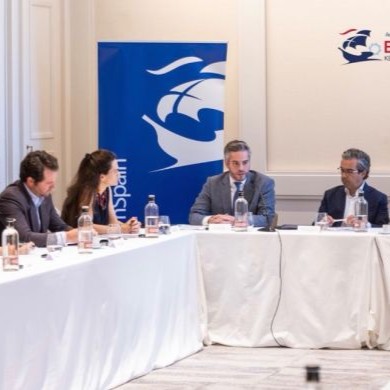
AmCham Spain Boardroom Series session

Head of Public Affairs in Spain, Carlos Ochoa Alonso, moderated the latest Boardroom Series sessions hosted by the American Chamber of Commerce in Spain this week.

The session focused on competitiveness and regulatory simplification, two priorities now at the heart of Europe’s business agenda, and the message was clear: to retain industry, attract investment and compete globally, Europe needs simpler rules, greater certainty and faster decision-making.

View here >>

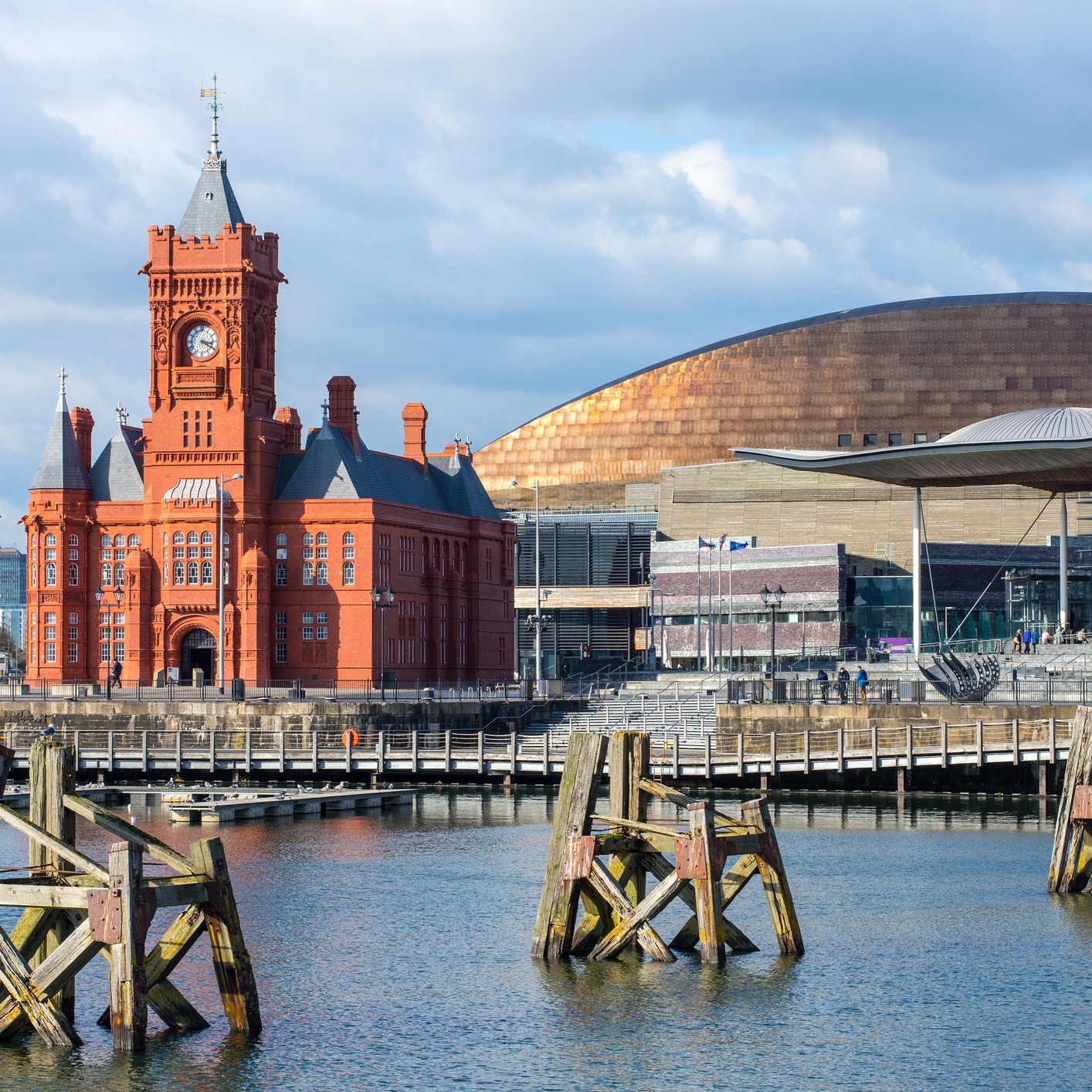
FTI Consulting UK Public Affairs Snapshot: A New Era for Wales

After 27 years of Welsh Labour rule, Plaid Cymru’s election victory marks a major political shift in Wales.

In this article, our UK Public Affairs experts examine how Plaid Cymru’s historic victory and the rise of Reform UK Wales signal a new political era for Wales, and reflect broader trends of fragmentation, populism and voter dissatisfaction reshaping politics across the UK and Europe.

View here >>

Upcoming Elections

  • 30 May: General Election (Malta) 
  • 31 May: Presidential election (Colombia)   
  • 1 June: General election (Ethiopia)   
  • 3 June: Local elections (Republic of Korea)   
  • 7 June: Presidential run-off election (Peru) 
  • 7 June: Parliamentary elections (Armenia)  
  • 7 June: General election (Jersey) 
  • 2 July: Parliamentary elections (Algeria) 

To be added to the distribution list for the Global PA Newswire, or for further information on the dedicated Public Affairs team at FTI, please contact [email protected].

The views expressed in this article are those of the author(s) and not necessarily the views of FTI Consulting, its management, its subsidiaries, its affiliates, or its other professionals.

©2026 FTI Consulting, Inc. All rights reserved. www.fticonsulting.com

Related Articles

4th Annual Shareholder Activism State of the Market

September 8, 2025—4th Annual Shareholder Activism State of the Market Request Report The 4th Annual Shareholder Activism State of the Mark...

Use It or Lose It: U.S. Hydrogen Industry Must Act To Maintain Momentum

July 12, 2025—Key takeaway: Following the passage of the “One Big Beautiful Bill Act”, time is of the essence for hydrogen produce...

Quick Analysis: ‘One Big Beautiful Bill’ Drives More Gas and Batteries, Less Renewables

July 3, 2025—With the recent passage of the “One Big Beautiful Bill” (“OBBB” or the “Legislation”),[1] FTI Consulting’s...

Global Public Affairs Newswire – 12 June 2026

June 12, 2026—Welcome to the latest instalment of FTI Consulting’s fortnightly Global Public Affairs Newswire. This week, we bring y...

ESG+ Newsletter – 11 June 2026

June 11, 2026—In this week’s ESG+ Newsletter, we first dive into updates within the sustainable reporting landscape, as Norges B...

IR Monitor – 10 June 2026

June 10, 2026—In this week’s newsletter: The stories that investor relations professionals need to read this week: Elon Musk’s Spa...