Global Public Affairs Newswire

Global Public Affairs Newswire – 15 May 2026

Welcome to the latest instalment of FTI Consulting’s fortnightly Global Public Affairs Newswire. 

This week, we bring you updates from FTI Public Affairs teams across the world’s major markets, including the United States, the United Kingdom, India, the European Union, Brazil, China, Germany, Australia, South Africa, Colombia, Ireland, Kenya and Namibia, and Hong Kong.This week’s update also brings readers market insights from FTI Public Affairs experts from around the world, explaining what these updates mean for your business. 

Market updates

Trump and Xi in China
  • “Magnificent Welcome” in China | Expectations surrounding this week’s summit between Donald Trump and Xi Jinping remain measured despite the highly choreographed reception in Beijing. While both leaders signaled interest in expanding cooperation on select economic and security issues, the discussions were tempered by persistent tensions over trade, Taiwan, and instability surrounding the Strait of Hormuz. Trump arrived alongside a delegation of prominent American CEOs — underscoring the deep commercial ties between the two nations — but expectations for major policy breakthroughs or binding agreements remain limited. 
  • Voters Weigh Iran and the Economy |The ongoing conflict involving Iran continues to shape the domestic political environment as Americans grapple with rising energy prices and broader cost-of-living concerns. With gasoline prices significantly higher than a year ago and consumer sentiment remaining weak, economic anxiety is increasingly becoming a political liability for the White House. Polling suggests voters continue to prioritize inflation and household costs above other issues, creating substantial economic and political headwinds for President Trump ahead of the midterm cycle. 
  • Score One (or more) for Republicans? Courts Reshape Political Map | Recent court rulings on voting rights and redistricting have complicated Democratic expectations for a dominant showing in the midterms. The Supreme Court of the United States narrowed portions of the Voting Rights Act, granting states greater flexibility in drawing congressional districts, while the Supreme Court of Virginia ruled the Commonwealth’s recent redistricting referendum unconstitutional. The Virginia decision halted a proposed congressional map that Democrats believed could have dramatically expanded their advantage in the state’s delegation, offering Republicans an unexpected political opening heading into 2026. 
“President Trump heads to China as domestic concern about the conflict in Iran and its impact on the US economy increases. As the nation heads towards the summer months, the President will have few more opportunities to shape public sentiment before November.”

Jackson Dunn
Head of Public Affairs, Americas

For more information about FTI’s Public Affairs services in the Americas, please contact [email protected].

Labour suffers historic local election losses as Reform UK and Greens surge
  • Labour faced a significant setback in last week’s local elections, hemorrhaging 1,496 councillors and losing control of 38 councils in final results confirmed Monday 11th May. Traditional strongholds have fallen to the Greens in London and Reform UK in the North, mounting pressure on the Prime Minister to step down.   
  • Reform UK achieved a breakthrough, gaining 14 councils and electing 1,453 councillors nationwide, including Essex County Council, Havering (their first London authority), and Sunderland City Council. The Green Party made historic gains in London, capturing Waltham Forest, Lewisham, and Hackney from Labour and electing their first two borough mayors. The Conservatives lost 563 councillors but secured wins in Westminster and Wandsworth, which Kemi Badenoch cited as “signs of renewal.” The Liberal Democrats gained over 150 councillors, notably winning Stockport and Portsmouth. 
  • More than 90 Labour MPs have called for a leadership contest, with four ministers and numerous PPSs resigning from their roles. Former junior minister Catherine West has urged Prime Minister Keir Starmer to schedule a leadership election for September, and with Angela Rayner’s HMRC tax matter now resolved and Wes Streeting having resigned from his position, both are viewed as potential challengers. Supporters of Andy Burnham are calling for time to allow the Greater Manchester Mayor to re-enter Parliament, but it is clear that pressure on the Prime Minister to resign is mounting.  
  • With Badenoch’s Conservatives positioning their London gains as a comeback story and Labour’s internal divisions deepening, Reform UK and the Greens are reshaping UK politics. Reform UK leader Nigel Farage described the outcome as a moment of “historic change in British politics” while Green Party leader Zack Polanski declared two-party politics well “dead and buried,” indicating the next general election will be fought on a far more fragmented political landscape. 
“This set of elections was always recognised as deeply challenging for Labour, and the leadership spent months attempting to manage expectations. But nothing fully prepares a party for losses on this scale. While the government hoped a post-election King’s Speech would provide a political reset, immediate PLP dissatisfaction has proved impossible to contain. The fallout has reignited tensions between the soft left and centrist wings of the party over Labour’s future direction, with MPs increasingly coalescing around potential leadership contenders. Wes Streeting’s resignation yesterday moves Labour a step closer to a leadership contest, the shape of which will become clearer in the days ahead.”

Sophie Wingfield
Senior Managing Director, United Kingdom

For more information about FTI’s Public Affairs services in the United Kingdom, please contact [email protected].

India Eyes E25 to Fast-Track Fuel Roadmap Amid Oil Shock Risks
  • India officially rolled out E20 petrol, a 20% ethanol blend, nationwide from 1 April 2026, nearly five years ahead of its original 2030 roadmap. With the West Asia conflict disrupting global crude supply chains, the government is now actively evaluating a further step-up to E25. On 10 May, Prime Minister Modi issued a public appeal urging citizens to conserve fuel, explicitly linking India’s import bill to the ongoing conflict and the need to protect foreign exchange reserves. 
  • India imports approximately 85% of its crude oil needs, leaving it acutely exposed to Strait of Hormuz disruptions. State-owned oil marketing companies are absorbing losses of approximately $120 million per day, as petroleum minister Hardeep Puri has flagged, to keep retail prices stable. A transition to E25 would structurally displace a portion of crude imports with domestically produced ethanol, providing a meaningful buffer against external price shocks. 
  • Energy trade discussions with the USA add more complexity. India is the third-largest destination for US fuel ethanol exports: the American ethanol frees up domestic production for its E20 blending program. E25 could increase ethanol imports, even if it reduces crude imports. For businesses across the automotive, agriculture, and energy supply chain, managing the pace of this transition while monitoring its trade policy dimension is the defining challenge ahead. 
"India's ethanol push has been surprising quick and moved ahead despite negative feedback from citizens and the automotive sector, against the backdrop of the conflict in the Middle East. Washington is now actively seeking more access to India's fuel ethanol market through ongoing trade negotiations. This is a quick shift from the import-substitution argument offered earlier for increasing ethanol blending. There is a fair amount of resistance from the refinery and automotive sectors still, but the government seems to moving towards higher ethanol blending, irrespective of the supply side challenges and adverse water impact of such a move."  
Amrit Singh Deo
Senior Managing Director, India

For more information about FTI’s Public Affairs services in India, please contact [email protected].

Europe watches as Trump-Xi summit shapes the future of global trade
  • Europe is watching from afar as US President Donald Trump flies to Beijing for a state visit on 14-15 May 2026. The Trump-Xi summit takes place against a particularly tense backdrop, as the war in the Middle East disrupts global energy markets and adds a new layer of strain to an already fragile US-China relationship. The meeting agenda spans trade, technology, Taiwan, artificial intelligence, and the Iran conflict – all issues in which the European Union (EU) has significant interests and ambitions, yet finds itself without a seat at the table that matters most. 
  • Given the high geopolitical stakes, the EU will be watching from the sidelines how the discussions unfold on the topics that sit at the top of its agenda. The bilateral talks on trade might contribute to the emerging global trade order, in particular if the US secures Chinese commitments to purchase American goods. If Trump relaxes chip export controls in exchange for business deals, Washington and Beijing might also agree to setting global AI standards, leaving Europe as a rule-taker rather than a rule-maker. On the Iran crisis, the picture is equally stark: the US and China have genuine leverage over the conflict and in writing the future regional order, despite any European attempt to engage diplomatically at the margins. More broadly, the summit has reinvigorated the spectre of a G2 world order, where two superpowers would effectively steer global trade, technology governance, and geopolitics on their own terms. The recent visits of European leaders – including Merz, Starmer, Macron, Sánchez, and Martin – to Beijing do not change the outlook, and rather illustrate the structural difficulty Europe faces in shaping outcomes in a relationship it does not control.  
  • The Trump–Xi summit lands at a moment of genuine uncertainty for the EU about how to position itself vis-à-vis China. With its 2019 posture on China, Brussels has tried to square the circle, competing where necessary, cooperating where possible, and confronting only when unavoidable. That balancing act is now fraying. A harder line is taking shape within the European Commission, where China hawks are gaining influence in both the Directorate-General for Trade and the circle around President von der Leyen, with new defensive measures now being explored. Various stakeholders in the EU institutions are pushing for considering an urgent rebalancing of EU-China relations is needed, but EU countries remain divided: German chancellors Friedrich Merz has struck a softer tone, floating a long-term trade deal with Beijing. Against this backdrop, the EU Commissioners are set to hold a dedicated orientation debate on China on 29 May. Looking further ahead, no date has yet been announced for a 26th EU–China summit. The most recent was held in Beijing in July 2025, where von der Leyen declared that EU–China relations had reached “an inflection point” requiring essential rebalancing. 
“What is being negotiated in Beijing is not merely a bilateral trade agenda, but the future architecture of global commerce. In an era of great-power realignment, the summit’s outcomes could rapidly reshape the competitive and regulatory landscape on both sides of the Atlantic. Monitoring these developments and integrating them into strategic planning is no longer optional, but a competitive advantage in navigating evolving supply chains, market access opportunities, and regulatory risk.”  

Paolo Recaldini
Director, Brussels

For more information about FTI’s Public Affairs services in the EU, please contact [email protected]

Institutional Friction at Home, Control Abroad: Lula’s Political Contrast Heading Into Election Year
  • Lula’s government suffered a major setback in the end of April when the Senate rejected his Supreme Court nominee, Attorney General Jorge Messias — the first such rejection in more than a century. Beyond the individual result, the vote exposed the difficulty the executive faces in articulating and sustaining support within a fragmented and increasingly empowered Congress. Presidential influence has become more conditional, relying on unstable negotiations rather than reliable coalition discipline. The President’s choice to nominate a close political ally for such a sensitive post was widely interpreted as a misreading of legislative mood and a sign of overestimated cohesion within his political base. The defeat reinforced the perception that institutional decisions are now shaped by fragmented bargaining and cross-branch tensions, narrowing the president’s ability to translate political capital into congressional outcomes. It also highlighted a broader constraint on governability in Lula’s third term, where formal powers remain intact but practical execution is increasingly contested, especially in a polarized pre-election environment marked by rising institutional friction and political uncertainty. 
  • Just months before the 2026 election, Lula launched a R$11 billion public security plan, eliminated the import tax on low-cost international purchases, and backed a reduction of the workweek from 44 to 40 hours while ending the 6-to-1 schedule. The moves reflect an increasingly explicit reelection strategy aimed at expanding Lula’s coalition ahead of the campaign. By prioritizing public security, Lula is trying to weaken the opposition’s advantage on the issue and appeal to swing voters and more conservative segments of the electorate, an area where the PT has historically struggled. Meanwhile, the push to end the 6-to-1 work schedule reinforces Lula’s traditional connection with workers and unions, helping energize the government’s electoral base. Together, the measures suggest Lula is positioning himself not only as a candidate of social protection, but also as a pragmatic leader capable of building broad political and institutional support before the race intensifies. 
  • Lula visited Washington in early May for a three-hour meeting with Donald Trump, in a moment that mixed diplomacy with clear electoral calculation. By adjusting the protocol and avoiding the traditional joint Oval Office press appearance, Lula reduced the risk of uncontrolled confrontation and shaped a more predictable communication setting, reflecting an effort to manage political optics as much as bilateral relations. The agenda centered on trade and cooperation, including dialogue on organized crime, with the main concrete outcome being the creation of a working group tasked with presenting proposals within 30 days to resolve trade disputes and avoid new US tariffs on Brazilian exports. Trump’s public description of Lula as a “dynamic president” helped soften the tone of the encounter, even if it did not alter broader strategic differences between the two governments. Domestically, the meeting reinforced Lula’s relative strength in foreign policy despite mounting political and economic pressures at home. Still, diplomatic successes are unlikely to matter as much to voters as issues like public security and the cost of living ahead of the 2026 election. 
“Lula stumbled in his Supreme Court nomination by underestimating the difficulty of securing consensus in a fragmented Congress. But this was not a routine legislative defeat. After months of negotiations, the government believed Attorney General Jorge Messias had enough support, only to suffer a public humiliation widely interpreted in Brasília as a political ambush enabled by Senate leadership. Resistance to Messias reflected broader conservative concerns that he was a longtime Lula loyalist whose appointment would reinforce perceptions of a Supreme Court already seen by the right as politically aligned with the government. In response, Lula has intensified congressional negotiations while shifting focus toward electorally popular measures. At the same time, his Washington meeting with Donald Trump highlighted a contrasting strength: Lula continues to perform more effectively on the international stage than in the domestic one.”

Natalia Mejia 
Director, Brazil
For more information about FTI’s Public Affairs services in Brazil, please contact [email protected].

A framing summit for China-US relations
  • President Donald Trump’s state visit to China, the first by a US president in nearly a decade and the first since Trump’s 2017 visit, was viewed less as a solution-oriented summit than as an effort to re-anchor the overall direction of the relationship. Xi Jinping described the current international environment as one of accelerating transformation and instability, raising the question of whether China and the United States can avoid the “Thucydides Trap”, jointly address global challenges, and provide greater stability for the world. Against this backdrop, Xi said both sides agreed to define the relationship as a “constructive strategic stable relationship”, intended to guide bilateral ties over the next three years and beyond, and described 2026 as a potentially “historical and landmark year” for China-US relations. 
  • Economic and commercial issues again emerged as the most visible area for practical engagement. Xi reiterated that the essence of China-US economic relations is “mutual benefit and win-win cooperation” and stressed that equal consultation remains “the only correct choice” for managing frictions and differences. He noted that the two countries’ economic and trade teams had reached “overall balanced and positive outcomes” during discussions the previous day and called on both sides to preserve the hard-won momentum of stabilization. Xi also emphasized that “China’s door will only open wider”, while Trump’s decision to bring a large delegation of leading US business executives reinforced the economic signaling surrounding the visit. The strong corporate presence highlighted a shared recognition that stable and predictable economic ties remain in the interests of both countries, despite ongoing competition in technology, supply chains, and export controls. 
  • Taiwan remained the most sensitive issue discussed during the meeting. Xi described it as “the most important issue” in China-US relations and warned that mishandling it could push the relationship toward “collision or even conflict”, placing bilateral ties in a “very dangerous situation”. He stressed that “Taiwan independence” is fundamentally incompatible with peace and stability across the Taiwan Strait and urged the US side to handle the issue with the utmost prudence. Beyond Taiwan, the two leaders exchanged views on the Middle East, Ukraine, and the Korean Peninsula. The two sides also agreed to support this year’s APEC and G20 meetings, reinforcing the message that, despite strategic rivalry, both governments continue to value maintaining high-level communication and strategic coordination. 
“The Xi-Trump meeting was fundamentally a framing summit rather than a settlement summit. Its significance lies less in resolving structural disputes than in stabilizing expectations, setting strategic direction, and keeping competition within manageable boundaries. For Beijing, the priority remains securing a relatively stable external environment to support domestic goals. The proposed concept of a ‘constructive strategic stable relationship’ reflects an effort to place the bilateral relationship on a more predictable footing while acknowledging enduring differences. At the same time, the repeated emphasis on Taiwan underscored that China continues to view the political foundation of the relationship as inseparable from core sovereignty concerns. For businesses, the visit matters not because uncertainty has disappeared, but because it may temporarily reduce the risk of abrupt deterioration. The presence of senior US executives also suggested that commercial engagement remains an important stabilizing force in the relationship. If both sides can sustain high-level communication and continue producing incremental deliverables, the meeting may help create a more navigable, though still highly competitive, operating environment for global companies.”  
Rachel Hsueh
Managing Director and Head of Strategic Communications, China 

For more information about FTI’s Public Affairs services in China, please contact [email protected]

One Year In, Germany’s Government Is Treading Water as the far-right AfD Leads the National Polls
  • Poll collapse fuels AfD momentum: One year into office, Chancellor Friedrich Merz now posts approval ratings even weaker than those that plagued his predecessor, Olaf Scholz, with public frustration increasingly centred on coalition infighting, unkept promises and Merz’s sometimes confrontational political style. The Chancellor being booed at the German Trade Union Confederation (DGB) congress yesterday crystallized a broader perception problem: voters see a government that talks reform but keeps struggling to deliver relief during a prolonged economic downturn. 
  • Economic fatigue erodes centrist credibility: Germany’s stagnating economy, persistently high energy prices and rising living costs, worsened further by the Iran conflict, are reinforcing the sense that the coalition between the conservative Christian Democrats (CDU/CSU) and the Social Democrats (SPD) is failing to deliver on its promises. In response, the government has pledged a summer reform package covering taxes, energy, healthcare and bureaucracy reduction. Delivering on this package has become politically existential. 
  • Saxony-Anhalt could become political rupture: The remaining three state elections this year (in Mecklenburg-Vorpommern, Berlin and especially Saxony-Anhalt) now carry national significance. In Saxony-Anhalt, the far-right Alternative for Germany (AfD) is polling around 41% and could plausibly lead a state government for the first time, potentially even with an outright majority. Such an outcome would mark a genuine turning point in post-war German politics, as it would represent the first time a far-right party governs a German federal state. 
“Germany’s establishment parties are no longer facing a routine mid-term slump; they are confronting a credibility crisis accelerated by economic stagnation and political exhaustion. Merz still has time to stabilise the coalition, but only if the promised reform agenda produces visible results before autumn. Otherwise, Saxony-Anhalt risks becoming more than a regional election. It could become the moment the AfD moves from protest force to governing reality, forcing businesses operating in the region to assess reputational, labour-market and regulatory implications.”

Konstantin Zech
Senior Director, Germany 

For more information about FTI Consulting’s Public Affairs services in Germany, please contact [email protected].

The federal budget is delivered in the face of rising cost-of-living and global uncertainty
  • Australia’s 2026-27 Federal Budget was delivered on 12 May, Treasurer Jim Chalmers’ fifth budget in the role. It is pitched as a direct response to the rising cost of living, housing crisis, and geopolitical uncertainty. 
  • Major revenue measures will come through the removal of tax incentives (Capital Gains Tax and negative gearing) for property investment and the use of certain types of trusts, as well as major changes to the National Disability Insurance Scheme.  
  • The Budget is being pitched as a way for the centre-left Australian Labor Party Government to combat intergenerational inequality, by removing tax incentives that overwhelmingly favour older and wealthier Australians at the expense of younger and struggling Australians. 
  • It comes off the back of a recent by-election (an election in one seat following the resignation of a sitting member in between election campaigns), which saw Pauline Hanson’s One Nation (the populist right party similar to the UK’s Reform), win a seat that had been held by the centre-right Coalition for the last 80 years. 
  • Global uncertainty, the Middle East conflict in particular, has prompted increased defence spending, to three per cent of GDP. Additionally, the Budget contains a $14.8 billion “Strengthening Australia’s Fuel Resilience” package to address energy supply security, alongside new domestic gas reservation measures to lower energy prices. The prioritisation of healthcare is also seen through a record $220.3 billion over five years for public hospitals, $3.5 billion for new Medicare measures, and $1.8 billion to make Urgent Care Clinics permanent.  
  • The Budget is seen as a bold strategy of Prime Minister Albanese and Treasurer Chalmers in rebalancing the housing and cost-of-living crisis, by making real estate less attractive to investors and more attractive to first home buyers. The Budget promises are driven strongly by geopolitical fluctuations as the government continues to grapple with the domestic implications of foreign dynamics. 
“The removal of tax incentives that have distorted the housing market for the last three decades creates real winners and losers in this Budget, which has been framed as the most consequential in years. It is an attempt by the centre-left Australian Labor Party to appeal to younger, less-affluent voters, at the expense of older and wealthier voters.”

Shannon Walker
Managing Director, Australia

For more information about FTI’s Financial Services Public Affairs support in Australia, please contact [email protected].

President Ramaphosa Stays Amid Impeachment Pressure as Stability Concerns Loom Over GNU
  • South African President Cyril Ramaphosa has confirmed that he will not resign following a Constitutional Court ruling that reopened the path for a parliamentary impeachment process linked to the Phala-Phala scandal – an allegation that President Cyril Ramaphosa concealed the theft of foreign currency from his Phala Phala game farm and failed to properly report the incident. Ramaphosa’s decision to legally challenge the report and remain in office is likely aimed at containing political uncertainty at a time when the Government of National Unity (GNU) remains politically fragile and heavily reliant on his leadership to maintain cohesion. While the impeachment process may proceed, the African National Congress’ parliamentary strength and coalition dynamics suggest he is likely to survive politically in the near term. 
  • His non-resignation also reflects broader concerns around continuity and stability within both the GNU and the ANC ahead of the party’s next elective conference. Ramaphosa continues to be viewed by business and investors as a reform-oriented and market-friendly leader, particularly on energy reform, infrastructure investment, governance, and efforts to restore institutional credibility. In the absence of a clear and broadly accepted successor within the ANC, an abrupt leadership transition could heighten uncertainty within the coalition government, weaken reform momentum, and potentially destabilise relations among GNU partners at a sensitive political juncture. 
  • However, the continued legal and political scrutiny surrounding the Phala Phala matter has the potential to weigh on Ramaphosa’s legacy and political authority over time. Even if he survives an impeachment vote, prolonged legal proceedings and public hearings could erode his reform credentials and shift attention away from the government’s economic agenda. The scandal therefore presents a dual dynamic: while Ramaphosa’s continued leadership may currently serve as a stabilising force for the GNU and investor confidence, the unresolved legal fallout could increasingly become a reputational liability that shapes both his political standing and long-term legacy. 
“President Ramaphosa’s decision to remain in office is ultimately less about political survival alone and more about preserving continuity within an already fragile GNU environment. While markets and business continue to view him as a key reform anchor, the prolonged Phala Phala fallout risks increasingly defining his presidency and complicating the legacy of institutional and economic reform he has sought to build.”

Lelo Skosana
Head of Public Affairs, South Africa

For more information about FTI’s Public Affairs services in South Africa, please contact [email protected].

Irish Government renews call to Europe for pharmaceutical taskforce
  • Ireland has renewed its call for the European Commission to establish a pharmaceutical taskforce as concerns grow over escalating US tariff threats targeting the life sciences sector. 
  • In the letter dated 30 April, the Irish Government highlighted the need for a working group involving the pharmaceutical and medical technology industries, the European Commission and the EU Member States most impacted amid “ongoing challenges in the international trading environment”. 
  • The letter was jointly signed by Tánaiste Simon Harris, Foreign Affairs Minister Helen McEntee, Health Minister Jennifer Carroll MacNeill and Enterprise Minister Peter Burke and addressed to EU Trade Commissioner Maroš Šefčovič and Health Commissioner Olivér Várhelyi. 
  • In April, US President Donald Trump announced 100% tariffs on a range of pharmaceutical imports under a Section 232 investigation, arguing foreign imports threaten US national security. Most EU pharmaceutical products remain subject to a 15% tariff rate with some companies attracting a zero rate if they enter pricing agreements and on-shoring investment commitments with the United States. 
  • In the letter, Irish officials highlighted that “European pharma and medical devices companies, as well as US and international companies located in Europe, are at the cutting-edge of research and development, contributing to improving the health of people around the world.” Adding that, “these sectors also provide well paid jobs, tax revenues and support enterprise development and job creation in ancillary industries in areas where they are based”.  
  • The Government welcomed the Commission’s proposed European Biotech Act and planned reforms to simplify medical devices regulation as part of the EU’s broader competitiveness agenda. 
“The intervention comes shortly before Ireland assumes the Presidency of the Council of the European Union, with the Government signalling competitiveness and regulatory simplification as central priorities, focusing on advancing Europe’s competitiveness agenda while safeguarding shared values and reducing regulatory burdens without lowering standards.”

Melanie Farrell
Managing Director, Ireland

For more information about FTI’s Public Affairs support in Ireland, please contact [email protected].

Santa Marta Conference: 57 Nations establish structured framework for fossil fuel transition
  • Fifty-seven countries representing one-third of global GDP convened in Santa Marta, Colombia between April 24-29 in the International Conference on Transition Beyond Fossil Fuels, organized by Colombia and the Netherlands. The conference shifted discussions from whether to phase out fossil fuels to how transitions occur operationally. This represents the first major multilateral agreement positioning fossil fuel transition as central climate strategy, directly addressing a three-decade gap in COP negotiations where the issue was rarely mentioned explicitly.  
  • Colombia moderated positions on binding non-proliferation treaties, positioning such mechanisms within broader cooperation frameworks rather than as prerequisites for participation. This approach enabled hydrocarbon-dependent nations to engage without preconditions, expanding the committed coalition from 18 countries to potential new signatories among Ghana, Panama, and Dominican Republic, while accommodating countries at varying stages of energy transition readiness. 
  • Rather than declarative statements, Santa Marta established three workstreams addressing transition roadmaps, macroeconomic policy barriers, and commercial systems, with a Global Energy Transition Scientific Panel providing annual recommendations. The next conference in early 2027, co-hosted by Tuvalu and Ireland, will operationalize these frameworks into specific policy instruments while maintaining COP31 coordination. 
“The Santa Marta Conference signals a structured international framework for fossil fuel transition policies, with growing implications for companies operating in energy, infrastructure, finance, and carbon-intensive sectors. Emerging national transition roadmaps are beginning to address fossil fuel production pathways, financing mechanisms, and decarbonized trade standards, which could influence long-term investment decisions, asset planning, and access to capital. At the same time, the conference reinforced expectations around just transition measures, including workforce reconversion, community engagement, and territorial remediation, increasing pressure on companies to strengthen ESG, stakeholder management, and transition governance strategies.”
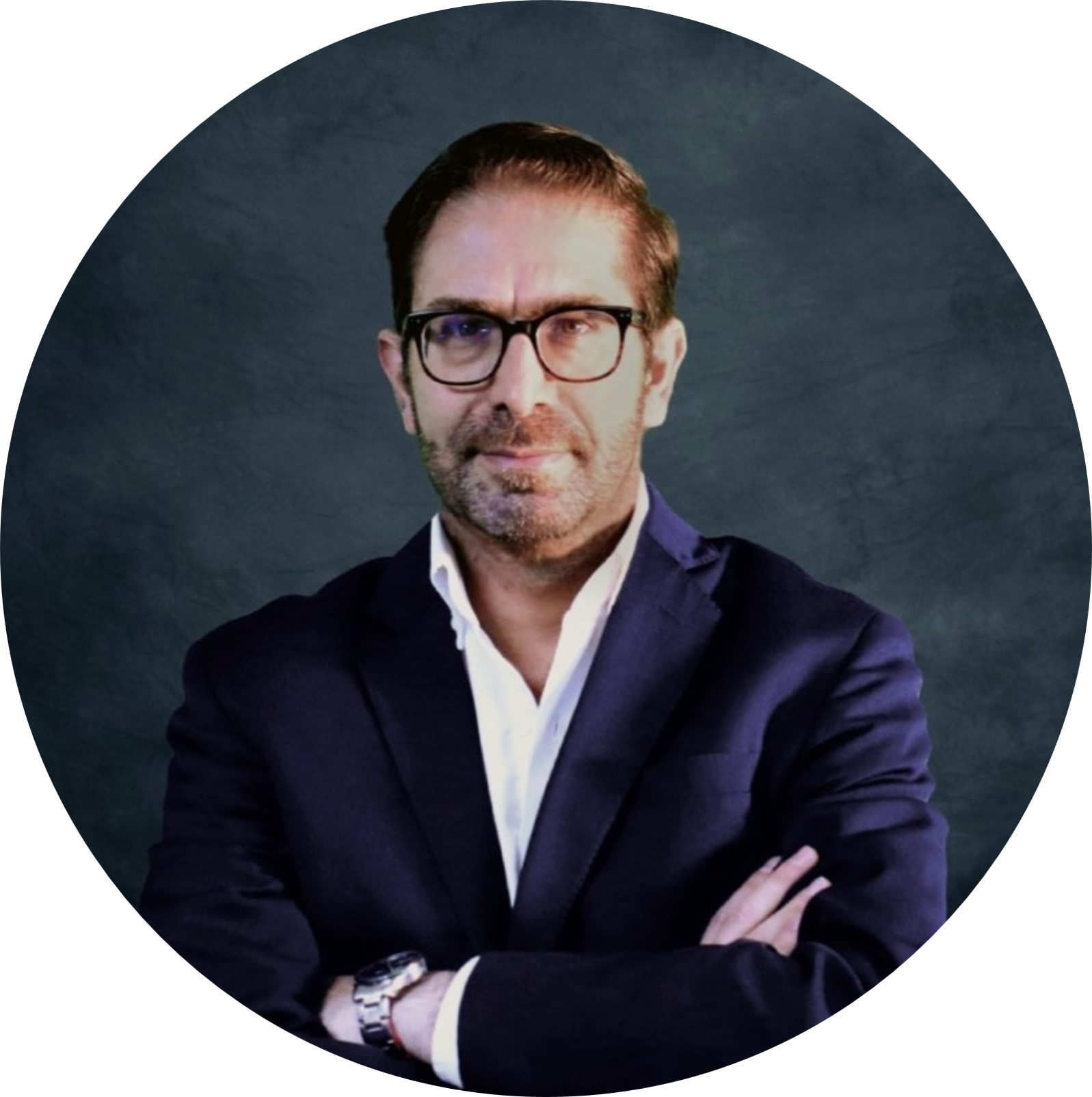
Jorge Del Castillo
Managing Director and Head of Strategic Communications, Colombia
For more information about FTI Consulting’s Public Affairs services in Colombia, please contact [email protected].

African-Led Energy Infrastructure Signals a Strategic Shift Toward Regional Industrial Resilience
  • Aliko Dangote’s proposed investments in Kenya and Namibia signal a broader shift toward African-led industrialisation, regional energy security, and stronger intra-African trade integration. The proposed 650 000 barrel-per-day refinery in Mombasa, alongside Namibia’s planned fuel storage and pipeline infrastructure linked to Walvis Bay, positions both countries as strategic energy gateways for East and Southern Africa, respectively. These investments reflect growing momentum toward building African-owned infrastructure capable of supporting regional supply chains and reducing structural dependence on external fuel markets. 
  • East and Southern Africa remain heavily reliant on imported refined petroleum products, exposing local industries and economies to geopolitical disruptions, volatile shipping routes, and external pricing shocks, particularly amid ongoing instability in the Middle East. Against this backdrop, investments in refining, storage and cross-border distribution infrastructure represent more than energy projects; they are strategic economic assets aimed at insulating African economies from external vulnerabilities while supporting domestic manufacturing, logistics, transport, and industrial growth. The projects could significantly reshape regional fuel trade flows, strengthen supply stability, and lower input costs for businesses across multiple sectors. 
  • Importantly, the developments align with the broader ambitions of the African Continental Free Trade Area by strengthening regional value chains, enabling greater cross-border trade, and deepening economic integration across the continent. As Africa increasingly seeks to convert global uncertainty into an opportunity for industrial expansion and strategic autonomy, large-scale African-led infrastructure investments such as these are becoming central to building more resilient, self-sustaining, and interconnected regional economies. 
“These investments signal a broader strategic shift toward African-led industrialisation and regional energy resilience. By expanding local refining, storage and distribution capacity, African economies are not only strengthening energy security and insulating themselves from external supply shocks but also laying the foundation for stronger regional value chains, industrial growth, and deeper intra-African trade integration under the AfCFTA framework.”

Lelo Skosana
Head of Public Affairs, South Africa

Middle East conflict strands Hong Kong-linked vessels in Strait of Hormuz
  • On 9 May, the Hong Kong Shipowners Association said that approximately 100 Hong Kong-linked vessels, including ships registered, managed, or owned by Hong Kong companies, were stranded in the Strait of Hormuz amid continued instability linked to the US-Israel conflict with Iran. Richard Hext, chairman of the association, estimated that around 2,300 seafarers were currently affected, citing security risks associated with attempting to move vessels through the waterway despite a temporary ceasefire. In addition, HKSA has been coordinating closely with the Hong Kong government, including Commissioner for Maritime and Port Development Amy Chan, to manage the situation. Currently industry priorities have focused on maintaining food, water, and operational supplies for stranded crews, while shipping operators have also begun adjusting operational practices, including maintaining full fuel reserves in anticipation of supply shortages at regional ports.  
  • The disruption has also increased operating costs across the maritime sector as fuel prices have approximately doubled since the conflict escalated, significantly increasing voyage costs for bulk carriers and container shipping operators. While additional fuel costs are typically passed through to cargo owners, the impact is expected to be more pronounced for lower-value goods and bulk commodities. Industry representatives from Hong Kong also warned that a prolonged conflict could contribute to broader inflationary pressures and weaker consumer demand globally. At the same time, Hong Kong’s position as a comparatively stable maritime and financial center may strengthen its attractiveness to international investors and shipping firms reassessing geopolitical risk exposure in the Middle East. 
“For companies operating across shipping, logistics, manufacturing, and energy-intensive sectors, the situation in the Strait of Hormuz reinforces the importance of contingency planning around maritime chokepoints and fuel price volatility. The episode may also strengthen Hong Kong’s positioning as a relatively stable international maritime and financial hub at a time when businesses and investors are increasingly reassessing geopolitical exposure and diversification strategies across major global trade corridors.”  

Seulah Han
Managing Director, Hong Kong and South Korea

For more information about FTI’s Public Affairs services in Hong Kong, please contact [email protected].

Spain’s investment pitch highlights gap between FDI rhetoric and practice
  • On 27 April, Pedro Sánchez opened the Invest in Spain Summit in Madrid by calling Spain “the best place in the world to live” and “the best place to invest”, with “no masks” and “no filters”. The message followed recent government trips to China and the US, including closed-door meetings with leading companies in electric vehicles, batteries, wind, AI and digital infrastructure. 
  • The investment-promotion calendar contrasts with months of sharper language on economic sovereignty, platform regulation and housing pressure. Sánchez has publicly backed tougher scrutiny of foreign multinationals like Meta, X and TikTok, warned about US dominance in generative AI, and criticized speculative property investment models associated in political debate with large funds such as Blackstone and BlackRock. 
  • The result is a dual-track political climate: the executive is publicly denouncing dependencies on foreign companies while actively competing for Chinese and US capital, technology and industrial opportunities. 
“Spanish civil servants currently describe a notable gap between political discourse and administrative practice on foreign investment. Below the anti-dependency rhetoric, FDI screening remains largely technical, sector-based and origin-neutral; officials say only 6–7% of submitted files trigger state intervention, and only two investment requests have been denied in recent years. This suggests FDI in Spain remains administratively insulated from political calls to place higher scrutiny on foreign control over strategic assets. For investors, the key takeaway is to distinguish political signaling from formal clearance risk, a space where local experts can help navigate regulatory expectations and stakeholder engagement with confidence”.

Gonzalo Conde
Director, Spain

For more information about FTI’s Public Affairs services in Spain, please contact [email protected].

Expert Analysis

Kings Speech 2026 Snapshot

King Charles III’s address to the UK Parliament on Wednesday underscored the importance of stability, economic resilience, and stronger international partnerships amid growing global uncertainty.

In their latest snapshot, our UK Public Affairs experts examine the current political landscape and assess whether today’s legislative package can deliver the reset the Government urgently needs.

View here >>

Geopolitics Forum

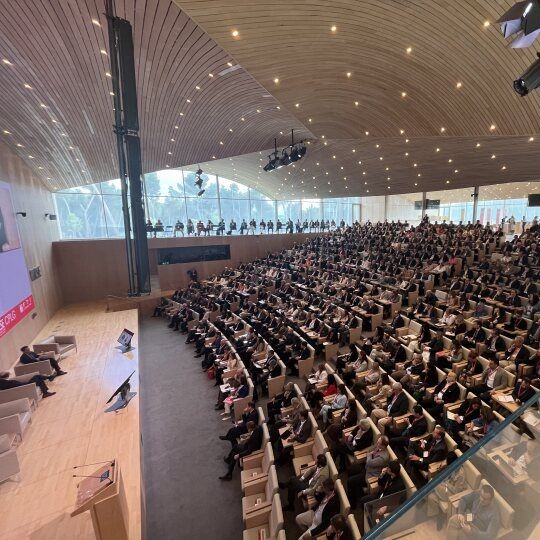
We were proud to partner with IESE Business School for the second Geopolitics Forum in Madrid this week, where our experts joined global leaders to explore the forces shaping today’s geopolitical landscape.

From energy security and technological disruption to international trade and the state of democracy, the forum brought together policymakers, business leaders and academics for timely discussions on navigating global complexity.

View here >>

Benelux Panel Event

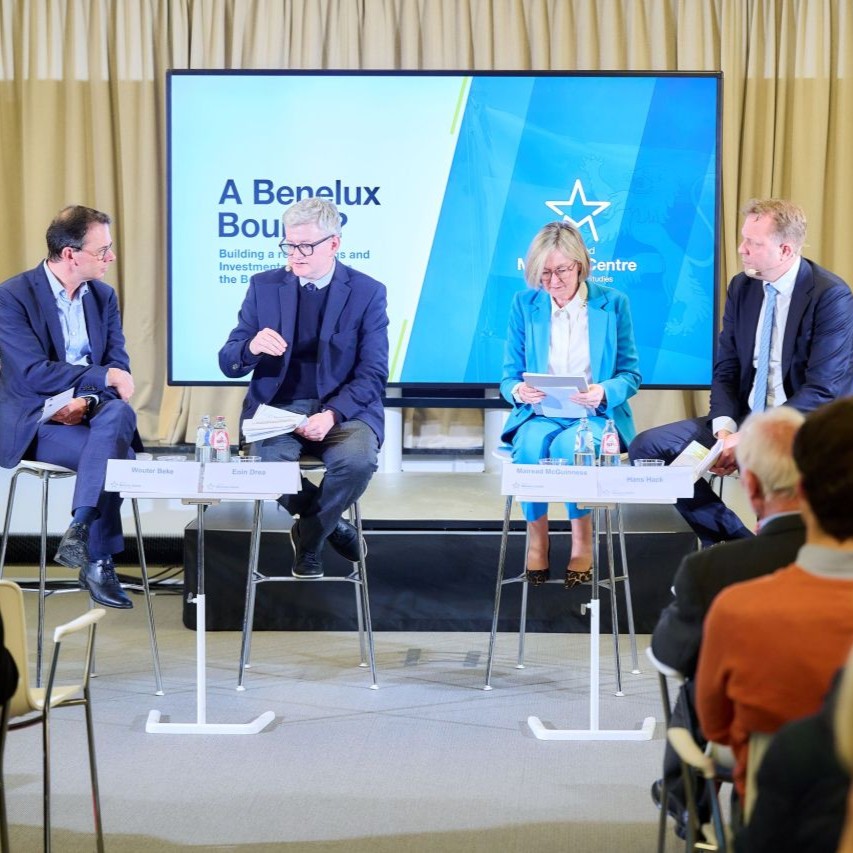
Head of Public Affairs in Brussels, Hans Hack, joined an expert panel last week to discuss the idea of a Benelux Bourse, which was hosted by the Wilfried Martens Centre for European Studies.

A topical debate in the context of the savings and investments union, the group discussed the possibilities of more regional integration between the Benelux countries to help drive European capital markets together.

View here >>

Dublin Chamber Event

Senior Director Payne Griffin joined Dublin Chamber’s Dublin Agenda breakfast this week for a timely conversation on US trade policy and what it means for Irish business.

Following the event, our FTI Consulting Dublin team hosted an exclusive private lunch, bringing together clients and prospective clients for a dynamic discussion on the evolving trade policy landscape.

View here >>

2026 U.S. Hospital Operations Outlook Survey Report

For decades, hospitals and health systems have operated with a unique level of trust. Patients rely on them in their most critical moments, and that trust has often insulated the industry from deeper scrutiny, even as challenges around cost, access, and scheduling have persisted. 

Read the latest analysis from our Health and Life Sciences experts on the major operational pressures and strategic priorities facing U.S. hospitals and health systems in 2026.

View here >>

Public Affairs Webinar: The end of the Orbán Era

Central and Eastern Europe remains complex and unpredictable. 

Against this backdrop, we are excited to host an upcoming Public Affairs webinar which will be chaired by FTI Consulting Director Edward Krudy, and feature the expert perspectives from Paul Fox, former British Ambassador to Hungary. During the discussion, Paul will draw on firsthand diplomatic experience to unpack what this transition means for the region, the EU, and global investors during a critical week of developments.

When: Thursday 28th May 2026

Where: Zoom Webinar

Register here >>

Upcoming Elections

  • 17 May: Parliamentary elections (Cabo Verde)   
  • 24 May: Parliamentary elections (Cyprus)   
  • 30 May: General Election (Malta) 
  • 31 May: Presidential election (Colombia)   
  • 1 June: General election (Ethiopia)   
  • 3 June: Local elections (Republic of Korea)   
  • 7 June: Presidential run-off election (Peru) 
  • 7 June: Parliamentary elections (Armenia)  
  • 2 July: Parliamentary elections (Algeria) 

To be added to the distribution list for the Global PA Newswire, or for further information on the dedicated Public Affairs team at FTI, please contact [email protected].

The views expressed in this article are those of the author(s) and not necessarily the views of FTI Consulting, its management, its subsidiaries, its affiliates, or its other professionals.

©2026 FTI Consulting, Inc. All rights reserved. www.fticonsulting.com
Related Articles

4th Annual Shareholder Activism State of the Market

September 8, 2025—4th Annual Shareholder Activism State of the Market Request Report The 4th Annual Shareholder Activism State of the Mark...

Use It or Lose It: U.S. Hydrogen Industry Must Act To Maintain Momentum

July 12, 2025—Key takeaway: Following the passage of the “One Big Beautiful Bill Act”, time is of the essence for hydrogen produce...

Quick Analysis: ‘One Big Beautiful Bill’ Drives More Gas and Batteries, Less Renewables

July 3, 2025—With the recent passage of the “One Big Beautiful Bill” (“OBBB” or the “Legislation”),[1] FTI Consulting’s...

FTI Consulting News Bytes – 5 June 2026

June 5, 2026—FTI Consulting News Bytes This week, we kick off with news of Hyve’s acquisition by private equity leader, Hellman &am...

ESG+ Newsletter – 4 June 2026

June 4, 2026—In this week’s ESG+ Newsletter, we first dive into updates within the sustainable reporting landscape, as Brazil s...

FTI Consulting Global Public Affairs Snapshot: 2026 Shangri-La Dialogue: Asia’s hardening security order

June 4, 2026—The Shangri-La Dialogue, held annually in Singapore, provides military and political leaders the opportunity to engage t...