The SEC’s Climate Disclosure Rule: Implications Beyond Disclosure for the Real Estate Industry
On March 6, 2024, the SEC released a final draft of its Climate Disclosure Rule focused on requiring certain companies listed in the United States to provide disclosures concerning their greenhouse gas emissions and specific elements of their exposure to climate-related risks.1 Given that many real estate companies have been tracking energy and environmental metrics for several years, we believe they may have a comparative advantage in achieving reporting compliance compared to entities in other industries.
However, while at face value these advantages would indicate a reduced burden for the real estate industry, the specter of more standardized disclosures on emissions and climate-related risk will likely cause scrutiny to expand and shift, moving from point-in-time disclosures to a demand for increased information and action on performance improvement strategies. Specifically, we will discuss select direct and indirect impacts we expect this rule will have on real estate stakeholders — namely, equity investors and lenders — in their pursuit of compliance and the implications thereof.
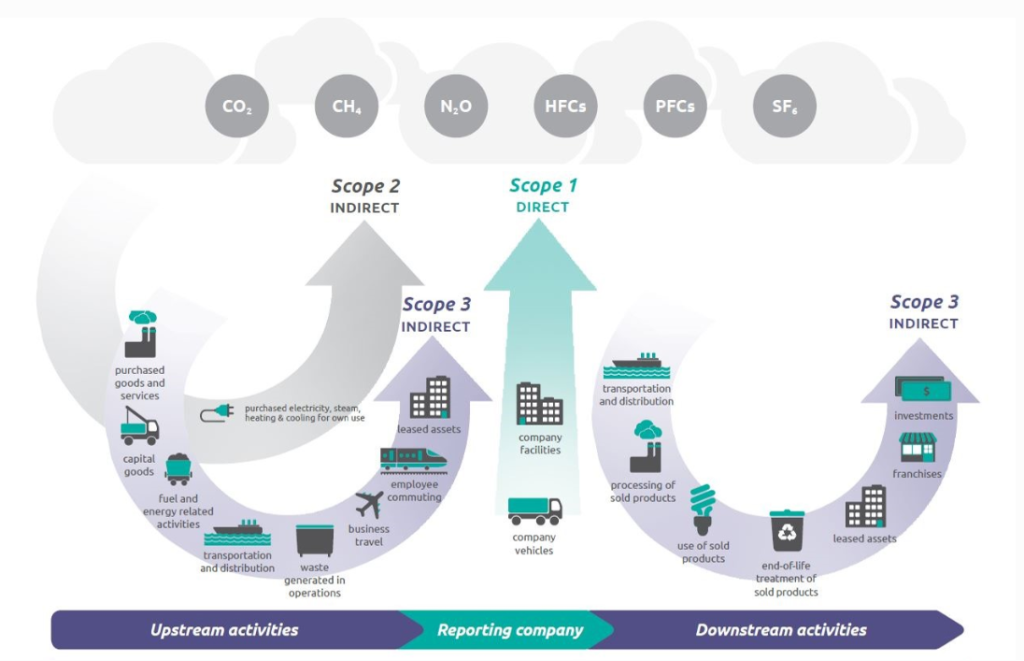
Below, for reference, we provide a brief overview of the different “scopes” of greenhouse gas emissions and how they relate to one another.
Related Expertise
The views expressed in this article are those of the author(s) and not necessarily the views of FTI Consulting, its management, its subsidiaries, its affiliates, or its other professionals.
©2024 FTI Consulting, Inc. All rights reserved. www.fticonsulting.com