Global Public Affairs Newswire

Global Public Affairs Newswire – 26 June 2026

Welcome to the latest instalment of FTI Consulting’s fortnightly Global Public Affairs Newswire. 

This week, we bring you updates from FTI Public Affairs teams across the world’s major markets, including the United Kingdom, the United States, India, Brazil, China, Colombia, France, South Africa, Hong Kong, the European Union and the Kingdom of Lesotho. This week’s update also brings readers market insights from FTI Public Affairs experts from around the world, explaining what these updates mean for your business.

Market updates

Prime Minister Sir Keir Starmer announces resignation
  • In a statement delivered outside Downing Street on Monday 22nd June, Prime Minister Sir Keir Starmer announced that he will resign as Leader of the Labour Party and as Prime Minister. Acknowledging that he had “heard the answer” from his colleagues in the Labour Party, who had considered whether he remained the best person to lead the party into the next general election, Starmer said that his decision was about “putting the country I love first”. 
  • In a brief speech, Starmer reflected on his time in office, highlighting several key achievements before confirming that he had informed the King of his intention to resign. He also set out the timetable for a Labour leadership contest, confirming that the party’s National Executive Committee (NEC) would open nominations on 9th July. Starmer confirmed that he will remain in office as Prime Minister until his successor has been chosen, pledging to do “everything I can to ensure an orderly handover of power”. The timetable is designed to conclude nominations before the summer recess, allowing a new leader to be in place ahead of Parliament’s return in September.
  • As things stand today, the prospect of a full leadership contest has receded significantly. Wes Streeting and Darren Jones, floated as possible challengers, have both endorsed Burnham, while former Armed Forces Minister Al Carns has said he is “not ready to make a decision” on whether to stand. Any challenger would need 81 parliamentary nominations to enter the race, and none currently appears close to that threshold. With nominations opening on 9 July and closing on 16 July, the contest could conclude as a coronation at the close of nominations if Burnham stands unopposed. 
"The Prime Minister’s resignation after only two years in office highlights how rapidly politics can change. In many respects, the debate moved on almost as soon as he finished his announcement, with attention immediately turning to who comes next and what they will do in government. With Andy Burnham the overwhelming favourite to succeed him, the real political conversation is now less about Starmer’s departure and more about whether the next administration can unite the Parliamentary Labour Party, forge a durable policy consensus across Labour's competing factions, and restore confidence in the government's ability to deliver.” 

Sophie Wingfield
Managing Director, United Kingdom

For more information about FTI’s Public Affairs services in the United Kingdom, please contact [email protected].

Happy Birthday America!
  • Washington Celebrates America’s 250th: Washington is at the center of the nation’s semiquincentennial celebrations, with commemorative events and patriotic programming highlighting the country’s founding while also underscoring competing political narratives about America’s past and future, including debates over national identity (and the restoration of the Lincoln Memorial Reflecting Pool!).
  • Senate Reverses Course on War Powers Resolution:  After approving a procedural motion just days earlier, the Senate on Wednesday rejected a bipartisan War Powers resolution that would have required congressional authorization for continued U.S. military operations against Iran, voting 50–47. The reversal followed a reportedly contentious meeting between President Trump and Republican senators at the White House. The change of course suggests continued bipartisan unease over the prospect of prolonged U.S. military involvement in Iran.
  • Democratic Socialists Gain Momentum: Democratic primary victories in New York, Maine, and Washington, DC by candidates aligned with the party’s socialist wing highlight the growing organizational strength and electoral influence of the Democrats’ left flank. The results are expected to intensify internal Democratic debates over economic policy, labor, housing, and the party’s ideological direction heading into the 2026 midterms and the 2028 presidential election.
"As America marks its 250th anniversary, many Americans hope to set aside political division and economic anxiety, if only briefly, to celebrate the nation's history, ideals, and shared heritage."

Jackson Dunn
Head of Public Affairs, Americas

For more information about FTI’s Public Affairs services in the Americas, please contact [email protected].

India moves to counter AI-related cyber threats
  • On June 10, 2026, the Computer Emergency Response Team (CERT-In), India’s national nodal agency for cybersecurity under the Ministry of Electronics and Information Technology, issued a new cybersecurity framework aimed at addressing rising AI related cyber threats. The framework requires OEMs and technology providers to conduct continuous vulnerability assessments, maintain updated Software Bills of Materials (SBOMs), promptly disclose serious vulnerabilities, and accelerate patching. The framework also encourages AI-assisted testing for regular security validation.
  • The framework comes amid growing government attention to the risks posed by advanced AI models. In April, India’s Finance Minister Nirmala Sitharaman chaired a high-level review with senior bankers, ministries, and central bank officials to assess risks posed by Anthropic’s AI model Mythos to India’s banking sector. Similar concerns have emerged globally, with restrictions on advanced AI models in the United States reflecting broader national security and cyber risk considerations. 
  • As many Global Capability Centers (GCCs)  support software development, cloud operations, cybersecurity, and digital infrastructure management for multinational enterprises, the framework is likely to have implications for India’s GCC ecosystem too. Activities such as vulnerability assessments, software inventory management, security testing, and patch management which are increasingly performed through GCCs, may come under greater scrutiny as organizations strengthen their cybersecurity practices. 
“The rapid advancement of AI is fundamentally changing the cybersecurity landscape, with threats becoming faster, more autonomous, and increasingly difficult to detect through traditional methods. As India emerges as a global hub for digital operations and GCC-led innovation, cyber resilience must become a strategic business priority rather than a technology function alone. The latest guidance from CERT-In reflects the need for organizations to adopt AI-enabled defence mechanisms, strengthen incident response capabilities, and enhance collaboration across industry and government to safeguard critical infrastructure and sustain confidence in India’s digital economy.”   

Aditya Phatak 
Director, India

For more information about FTI’s Public Affairs services in India, please contact [email protected].

Foreign pressure, fragmented opposition: how US moves shape Brazil's 2026 race
  • Brazil’s Banco Master corruption probe — which investigates a large-scale financial fraud scheme centered on banker Daniel Vorcaro — has expanded in recent weeks from Bolsonaro-linked figures to the current political establishment. The Federal Police are now investigating the sitting leaders of both houses of Congress: Chamber President Hugo Motta and Senate President Davi Alcolumbre, both from the centrist bloc, alongside Senator Jaques Wagner, the current administration’s own Senate floor leader and long-time Lula loyalist. No formal charges have been filed against any of the three. The case now cuts across the governing coalition, the opposition, and the centrist bloc simultaneously, indicating that Vorcaro’s political network extended well beyond any single party or faction. The case could quickly evolve from a financial-crime investigation into a broader institutional credibility test for Congress and the government.
  • Brazil’s government is privately discussing changes to its fiscal framework ahead of the 2026 elections, despite publicly maintaining that current spending rules will hold. Under the existing framework, real public expenditure growth is capped at 2.5% above inflation per year. But rising debt and a weaker market consensus on 2026 interest rates (Selic) suggest investors are increasingly skeptical about the sustainability of the existing framework. Part of the economic team favors reducing this cap post-election to reassure markets, while another faction resists cuts that could affect social programs. Markets appear to agree: interest rate projections for end-2026 have risen from 12.25% to around 14%, reflecting declining confidence in the current framework’s sustainability. If the government signals any easing of the rule, it could briefly calm fiscal debates, but it would likely reinforce market concerns that Brazil’s adjustment path is being pushed beyond the 2026 election cycle.
  • President Lula attended the G-7 summit in France, holding bilaterals with President Macron and Japanese PM Takaichi, and meeting with EU leaders over an animal-product export ban affecting Brazilian suppliers. No formal meeting with Trump occurred; a public exchange between him and Lula over electoral interference drew more attention than any substantive outcome. On the margins, the EU signaled growing strategic interest in Brazil as a critical minerals supplier, with a senior commissioner visiting a rare earth processing facility in Minas Gerais and indicating a bilateral framework agreement is being negotiated. The summit reinforced Brazil’s role as a diplomatic swing player, while the EU minerals angle points to a longer-term industrial relationship that could matter more than the immediate political optics. 
“As it eyes reelection, the administration appears to be counting on investment and growth to do the work that fiscal discipline would otherwise require — yet the conditions of the domestic political landscape are precisely those that tend to make investors more cautious and growth more difficult to sustain. The Banco Master investigation — unusually broad in its reach and arriving at a particularly sensitive moment in the electoral cycle — has eroded institutional credibility at every level of the political establishment, exposing a systemic problem with no clear owner and no easy resolution. The administration's fiscal strategy depends on institutional credibility at a moment when that credibility is under strain. Economic growth tends to follow confidence in the rule of law and the institutions that uphold it — and when that confidence weakens, the conditions the administration is counting on falter.”

Natalia Mejia
Director, Brazil
For more information about FTI’s Public Affairs services in Brazil, please contact [email protected].

China uses export controls and procurement restrictions to answer U.S. CMC designations
  • On June 22, China’s Ministry of Commerce (MOFCOM) added 10 U.S. entities to China’s export control list, prohibiting the export of dual-use items and third-country transfers of Chinese-origin dual-use items to them. Ongoing activities must stop immediately, while exceptional cases require MOFCOM approval, giving the measure both immediate effect and a formal licensing pathway.
  • MOFCOM explicitly linked the action to the U.S. Department of Defense’s expansion of its Section 1260H “Chinese Military Companies” (CMC) list. The move therefore appears less as a standalone trade restriction than as a direct response to Washington’s continued use of military-linked designations against Chinese technology and manufacturing firms. 
  • The targeted entities are concentrated in drones, robotics, radar, maritime services, aerospace, defense, and rare earths. Separately, China’s Ministry of Finance barred government procurement of products made by 46 U.S. companies, while carving out products manufactured by U.S.-funded enterprises operating in China. 
“China’s June 22 measures suggest that the U.S. CMC list is becoming a more consequential reference point for China’s own countermeasures. The direct commercial impact may be limited for some listed companies, particularly those already operating with reduced China exposure. But the inclusion of drone, maritime, aerospace, defense, and rare earth firms points to a broader policy signal: China is drawing clearer boundaries around strategic sectors and underscoring for businesses that export controls, procurement access, and supply-chain positioning are now part of the same strategic risk calculus.”  

Xu Zheng
Director, China

For more information about FTI’s Public Affairs services in China, please contact [email protected]

Colombia's presidential runoff to focus on competing visions for security, economic policy, and social development
  • Right-wing candidate Abelardo De La Espriella, a lawyer and political outsider with no previous elected office experience, is set to become Colombia’s next president after narrowly defeating left-wing candidate Iván Cepeda in the runoff election. Cepeda, a senator and prominent member of President Gustavo Petro’s political movement, obtained 48.7% of the vote, while De La Espriella secured 49.6%, a margin of approximately 247,000 votes out of more than 26 million cast. 
  • The election recorded the highest voter turnout in Colombia’s history, with 63.5% participation, reflecting strong public engagement in a highly polarized race. De La Espriella campaigned on a hardline security platform and positioned himself as an anti-establishment candidate, while Cepeda represented continuity with the current administration’s progressive agenda. The outcome aligns with a broader trend of center-right gains seen across several Latin American countries in recent years. 
  • Despite the outcome, post-election uncertainty remains elevated. President Gustavo Petro questioned the reliability of the electoral process and raised concerns over alleged irregularities. These developments could prolong political polarization and complicate the transition of power. The incoming administration will face significant governance challenges, including a fiscal deficit of 6.4% of GDP, high public debt, persistent inflationary pressures, and deteriorating security conditions in several regions. With limited congressional support, De La Espriella will need to build broad political coalitions to advance his legislative agenda and deliver on key campaign promises. 
“Companies should closely monitor the new administration’s ability to translate campaign priorities into policy, particularly given fiscal constraints and the need to build congressional coalitions. Rather than assuming rapid regulatory changes, businesses should focus on tracking shifts in economic, security, and investment agendas, strengthening engagement with both national and regional stakeholders, and positioning their proposals around competitiveness, job creation, productivity, and investment. In a highly polarized environment, maintaining political neutrality and strong institutional relationships will remain critical to managing risk and identifying opportunities.”

Jorge Del Castillo
Managing Director and Head of Strategic Communications, Colombia

For more information about FTI Consulting’s Public Affairs services in Colombia, please contact [email protected].

Government unveils €13 billion private-investor plan to back European tech champions
  • French Economy Minister Roland Lescure announced on 19 June the launch of the third phase of the Tibi initiative at VivaTech, mobilising a record €13 billion in additional commitments from institutional investors. The figure should reach €15 billion by year-end, bringing the total mobilisation to almost €31 billion since 2020. 
  • Launched in 2019 under economist Philippe Tibi’s recommendations, the initiative is a public-private scheme that directs French institutional investors’ savings into venture and growth-equity funds backing technology scale-ups. It aims to close Europe’s late-stage financing gap and help domestic champions remain independent rather than being acquired by larger foreign groups. 
  • Half of the investments will be channelled into deeptech, including artificial intelligence, quantum technologies, biotechnology and space technologies. The new phase carries a strengthened European ambition, seeking to foster pan-European funds capable of supporting technology firms throughout their growth cycle and participating in the largest financing rounds. Discussions are under way with key partners, notably Germany, to build a joint coordination platform that may be unveiled this autumn. 
“The launch of the third phase of Tibi aligns with the direction set out in the FIVE report, the January 2026 Franco-German task force study on strengthening financing for innovative ventures across Europe, which cited Tibi as a model. However, the €13 billion figure should be read in context: European late-stage rounds continue to trail US counterparts by a significant margin, and Tibi extended EU-wide would address only part of the structural picture. Channelling pension savings into venture capital at US scale would require a shift towards funded pension schemes, a politically sensitive topic in France. Pension model reform features in some political programmes ahead of the 2027 presidential election, though reform that would allow Europe to catch up remains unlikely.” 

James Padgett
Senior Director, Paris

For more information about FTI’s Public Affairs support in Paris, please contact [email protected].

Industrial Development Strategy
  • The South African government has released its Industrial Development Strategy (IDS), a long-term policy framework aimed at repositioning the country’s industrial base in response to a rapidly evolving global and domestic economic environment. The strategy recognises that global trade and investment patterns are being reshaped by geopolitical tensions, supply chain reconfiguration, climate change, and digitalisation. The IDS seeks to establish a coherent framework to rebuild productive capacity, strengthen competitiveness, and support sustainable industrial growth, while aligning with the government’s broader economic priorities.
  • The government identifies affordable and reliable electricity as the most urgent enabler of industrial development, alongside reforms to logistics, ports, rail, telecommunications, and water infrastructure. The IDS identifies key implementation levers including infrastructure investment, Special Economic Zones and industrial parks, trade and industrial policy instruments, and regulatory reform through initiatives such as Operation Vulindlela and the National Infrastructure Plan. The strategy is also forward-looking, built around three mutually reinforcing strategic pathways, the “3Ds”: decarbonisation, supporting the transition to a low-carbon economy; diversification, expanding into higher-value and future industries; and digitalisation, leveraging new technologies to improve productivity and competitiveness.
  • The strategy provides a clearer indication of South Africa’s long-term industrial policy direction and signals a renewed commitment to improving the country’s investment environment. If effectively coordinated and implemented, the IDS is expected to support average GDP growth of around 3% annually, expand manufacturing output and exports, increase investment, localisation and productive employment, strengthen regional integration, and improve economic resilience. The framework also positions South Africa to capitalise on its established industrial base, abundant critical mineral resources, and role as Africa’s most industrialised economy, while seeking to maintain global competitiveness and capture opportunities arising from the global energy transition and digital economy. 
“South Africa’s Industrial Development Strategy is significant not because it introduces new ideas, but because it integrates them. By linking industrial policy to energy security, logistics efficiency, regulatory predictability, and digital capability, it reflects how sophisticated investors assess emerging market competitiveness. The strategic logic is sound. The test, as it has long been in South Africa, is execution. Capital is patient, but not unconditional. If government can translate these priorities into coordinated, measurable reform, the strategy could materially strengthen South Africa’s investment proposition and reinforce its position as Africa’s leading production and export platform. The opportunity is real, but delivery is now what matters most.” 

Lelo Skosana
Head of Public Affairs, South Africa

For more information about FTI’s Public Affairs services in South Africa, please contact [email protected].

Government launches consultation on first Five-Year Plan, signaling more strategic approach to economic development
  • On 15 June, the Hong Kong SAR Government launched a two-month public consultation on its first Five-Year Plan (2026–2030), marking the city’s first attempt to consolidate medium-term economic and social priorities into a single strategic blueprint. The consultation, which runs until 14 August, is intended to align Hong Kong more closely with China’s 15th Five-Year Plan while maintaining a “market-led and government-guided” approach to development. The initiative has also sparked debate about Hong Kong’s evolving governance model, with supporters viewing it as a more coordinated response to long-standing structural challenges and critics questioning whether it represents a departure from the city’s traditional laissez-faire approach.  
  • For businesses, the consultation is significant because it could become Hong Kong’s primary medium-term policy framework, influencing future decisions on infrastructure, innovation, land, talent and economic development. The plan highlights priorities including artificial intelligence, data infrastructure, digital trade, financial services, Greater Bay Area integration and smart tourism, while positioning the Northern Metropolis as the flagship platform for innovation, technology and cross-boundary collaboration. Companies across finance, technology, logistics, healthcare and consumer sectors are expected to closely monitor whether the final plan translates these priorities into concrete policy measures, funding commitments and implementation frameworks over the next five years. 
“The consultation is significant not only for the policies it proposes, but for the broader direction it signals in Hong Kong’s governance model. While the city remains fundamentally market-oriented, the Five-Year Plan reflects a more coordinated approach to economic development that seeks to align infrastructure, innovation, technology, talent and industry policy within a common strategic framework. For businesses, the consultation presents a valuable opportunity to help shape practical issues such as cross-border data flows, capital connectivity, talent mobility and innovation policy before positions become fixed, while also providing important signals about where the Government intends to focus resources and policy attention over the next five years.”

Seulah Han
Managing Director, Hong Kong and South Korea

For more information about FTI Consulting’s Public Affairs services in Hong Kong, please contact [email protected].

European responses to a U.S.-Iran peace negotiation framework
  • The Iranian conflict has entered a new phase following the announcement of a preliminary peace agreement between the United States and Iran, representing the most significant diplomatic breakthrough since hostilities began more than three months ago. While important political, legal and technical issues remain unresolved, the agreement marks a transition away from direct military confrontation and toward a managed implementation process focused on reopening the Strait of Hormuz, restoring maritime commerce, providing limited sanctions relief and establishing a pathway for broader negotiations on Iran’s nuclear programme and regional security architecture.
  • European institutions have continued to respond by combining short-term vigilance with longer-term structural measures. While welcoming the ceasefire and the resumption of navigation through the Strait of Hormuz, the Commission has reinforced calls to accelerate the Energy Union, diversify energy supplies, expand strategic resilience and encourage private investment in energy infrastructure, while emphasising that any future national support measures should remain temporary, targeted and fiscally sustainable.  European policymakers continue to monitor the situation closely, with several governments examining contingency measures to support energy-intensive industries and agricultural producers should disruptions persist.
“The crisis has reinforced concerns regarding Europe's exposure to external energy shocks and strengthened calls for greater energy diversification, strategic stockpiling and accelerated deployment of domestic low-carbon energy sources.” 

Sergio Rojas
Director, Brussels

For more information about FTI’s Public Affairs services in the EU, please contact [email protected]

Lesotho secures M900 Million (US$55 million) World Bank Financing to Expand Electricity Access and Drive Economic Development
  • The Government of Lesotho and the World Bank have signed financing agreements worth approximately M900 million (US $55 million) to expand electricity access, strengthen skills development, and improve nutrition outcomes, with the largest allocation supporting the Accelerating Sustainable and Clean Energy Access Transformation (ASCENT) project. The initiative will provide reliable and affordable electricity to nearly 147,000 residents and businesses, particularly in underserved rural, peri-urban and highland communities, while advancing Lesotho’s broader economic development agenda. These agreements are expected to contribute to the country’s economic growth, job creation, and improved living conditions across the country.
  • Beyond improving access to electricity, the agreement represents a strategic investment in Lesotho’s long-term economic competitiveness. Reliable electricity remains a critical constraint on industrialisation, private sector growth, and job creation, while the country’s abundant hydropower and renewable energy potential position it to play a more significant role in Southern Africa’s energy landscape. The announcement also comes as Lesotho and a United States-based energy company advance discussions on a US$6.2 billion investment in hydropower generation, transmission infrastructure, and water systems, highlighting increasing interest in the country’s natural resources and its importance to regional water and energy security.
  • The agreement signals Lesotho’s growing ambition to position itself as an attractive destination for development finance and long-term infrastructure investment. If successfully implemented, alongside complementary energy and water investments, the programme could reduce dependency on imported electricity, improve the investment climate, expand productive economic activity, strengthen regional energy integration, and reduce infrastructure constraints that have historically limited growth. This reinforces the increasing importance of energy and water infrastructure as strategic assets underpinning Southern Africa’s economic resilience, and industrial development.
"This financing agreement reflects a broader shift in development finance towards investments that unlock long-term economic productivity rather than simply addressing infrastructure deficits. Expanding reliable electricity access is fundamental to improving the business environment, attracting private investment and supporting industrial growth. When viewed alongside Lesotho's broader ambitions in water and energy infrastructure, the country is increasingly positioning itself as a strategic partner in Southern Africa's regional economic and energy landscape."

Lelo Skosana
Head of Public Affairs, South Africa
Expert Analysis

UK Public Affairs and Energy Event

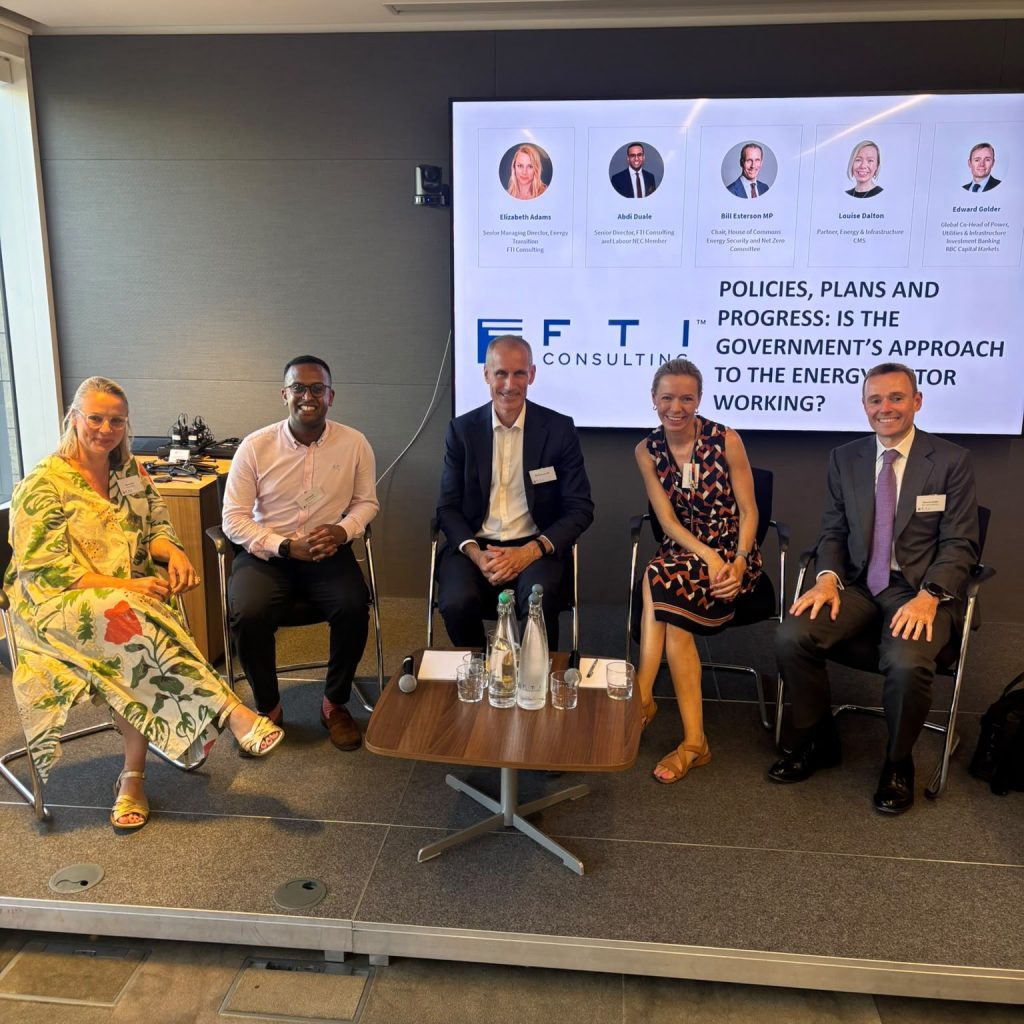
We were delighted to host a panel event this week on the key drivers of the UK energy landscape in 2026 and what the Labour government’s energy legacy could look like.

Various topics were discussed by our panellists, such as the impact of recent planning reforms on data centres and the appetite for businesses to invest in UK energy and infrastructure projects. The theme that underscored the panel’s discussion more than anything was the continued drive towards Net Zero and its implications for businesses and consumers. 

Sign up to our UK Public Affairs events list here >>

UK Public Affairs Snapshot

On 22 June, Andy Burnham announced his intention to succeed the resigning Keir Starmer as UK Prime Minister. Nearly a decade after the Brexit referendum, his bid comes at a crucial point in UK–EU relations, particularly following the EU’s decision to postpone a summit with Britain.

In their latest snapshot, our UK Public Affairs experts examine how the relationship has evolved over the past ten years and what a Burnham premiership could mean for its future direction.

View here >>

Welcoming ICPS Students

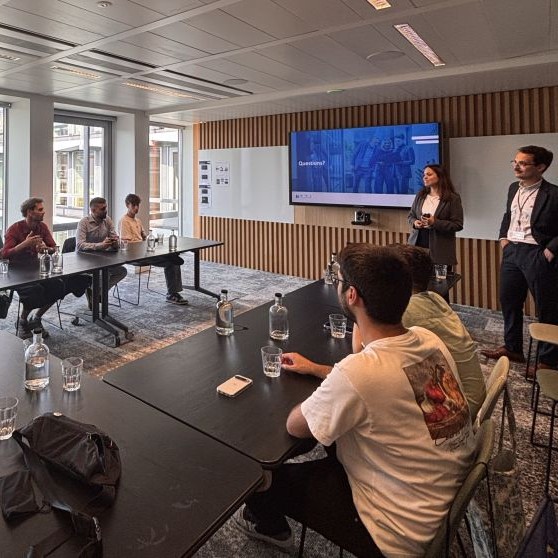
Last week, our Brussels-based experts welcomed students from the Institut de Ciències Polítiques i Socials (ICPS), affiliated with the Autonomous University of Barcelona.

After visiting the European Parliament, the students joined the team to gain further insights into public affairs and corporate reputation in Brussels and beyond. It was great to meet the next generation of public affairs professionals and we wish the soon-to-graduate students lots of success.

View here >>

Eurosatory 2026

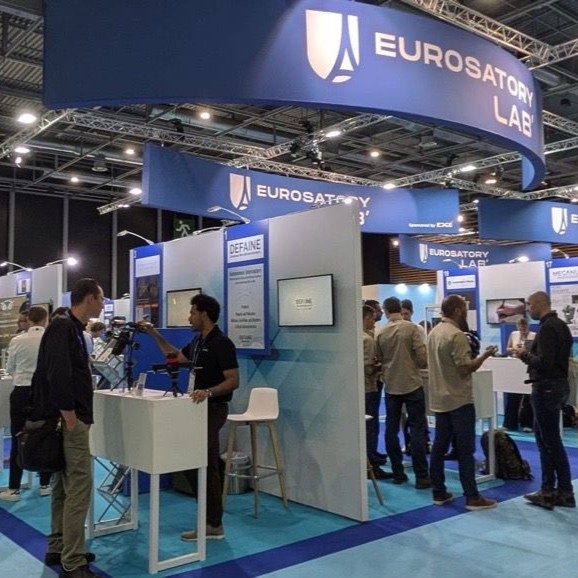
Last week, our Brussels Defence & Aerospace experts Beatriz Cózar Murillo, Giorgio Cioni and Jeroen Rigole were on the ground at Eurosatory 2026 in Paris.

As Europe’s largest defence and security exhibition – and one of the most important global meeting points for the sector – Eurosatory remains a key forum for understanding where the market, governments and industry are heading. This year’s edition once again reflected the scale of the challenges facing European defence: accelerating capability delivery, strengthening the industrial base, adapting to lessons from current conflicts, and turning political ambition into concrete programmes and orders.

View here >>

Upcoming Elections

  • 28 June: Provincial elections (New Caledonia) 
  • 2 July: Parliamentary elections (Algeria) 
  • 19 July: Presidential Election (São Tomé and Príncipe) 
  • 13 August: General Election (Zambia) 

To be added to the distribution list for the Global PA Newswire, or for further information on the dedicated Public Affairs team at FTI, please contact [email protected].

The views expressed in this article are those of the author(s) and not necessarily the views of FTI Consulting, its management, its subsidiaries, its affiliates, or its other professionals.

©2026 FTI Consulting, Inc. All rights reserved. www.fticonsulting.com

Related Articles

4th Annual Shareholder Activism State of the Market

September 8, 2025—4th Annual Shareholder Activism State of the Market Request Report The 4th Annual Shareholder Activism State of the Mark...

Use It or Lose It: U.S. Hydrogen Industry Must Act To Maintain Momentum

July 12, 2025—Key takeaway: Following the passage of the “One Big Beautiful Bill Act”, time is of the essence for hydrogen produce...

Quick Analysis: ‘One Big Beautiful Bill’ Drives More Gas and Batteries, Less Renewables

July 3, 2025—With the recent passage of the “One Big Beautiful Bill” (“OBBB” or the “Legislation”),[1] FTI Consulting’s...

FTI Consulting News Bytes – 26 June 2026

June 26, 2026—FTI Consulting News Bytes Similar to the UK weather this week, things are heating up in the tech industry – here’s w...

ESG+ Newsletter – 25 June 2026

June 26, 2026—We open this week’s ESG+ with a look at the growing momentum behind pass-through voting, as investor appetite and ...

Done Deal – Insights from our M&A and Activism team – June 2026

June 24, 2026—Insights from our M&A and Activism team Welcome to the latest installment of Done Deal. This month, Senior Consultan...