ESG+ Newsletter – 1 May 2025
From ISSB, to EFRAG to the US Department of Labour, this week’s newsletter has a particular focus on reporting and regulatory developments over the past week. In a similar vein, French regulators may have provided the first glimpse of what sustainable AI regulation might look like in the years ahead. Outside of that, in market developments, we review whether certain firms have over hired on ESG and sustainability.
This week’s poll
What impact would greater empowerment of retail investors have on ESG and sustainability at listed companies?
- More focus and pressure on companies to act on ESG
- Less focus and pressure on companies to act on ESG
- No difference
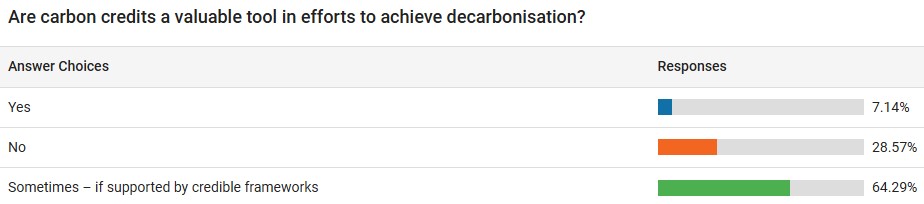
Last week’s poll results
ISSB proposes changes to its climate disclosure standard
ESG News reports that the International Sustainability Standards Board (ISSB) has submitted a proposal outlining changes for its climate disclosure standard (IFRS S2), aimed at easing Scope 3 reporting requirements for financial institutions. These amendments would allow optional exclusions of emissions from derivatives, facilitated transactions, and insurance activities, provided these exclusions are transparently disclosed. Additional reliefs include flexibility in using industry classification systems and greenhouse gas measurement methods. As the scrutiny on reporting and regulatory burdens associated with ESG disclosures grows, the proposal aims to lower compliance costs without reducing the decision-usefulness of disclosures to investors. They reflect market feedback, as well as wider industry trends, seeking to find a balance between practicality and maintaining a global sustainability reporting baseline.
EFRAG considers major cutbacks to ESRS while EBA updates climate dashboard
On the back of the consistent focus on reporting obligations for EU companies, the European Financial Reporting Advisory Group (EFRAG) is exploring significant reductions to the European Sustainability Reporting Standards (ESRS) which underpin the Corporate Sustainability Reporting Directive CSRD), reports Responsible Investor. One key output would reclassify hundreds of mandatory “shall” data points and 269 “may” data points into voluntary guidance, streamlining the current 1,100 datapoint framework. EFRAG’s Sustainability Reporting Board plans to outline a simplification strategy by early May, with final revised drafts due in October. Proposed changes include clarifying the scope of materiality assessments, revising the standards’ structure, and enhancing alignment with international frameworks like those of the International Sustainability Standards Board (ISSB). Sources say shifting “may” disclosures to guidance could resolve legal ambiguities and reduce confusion, while still supporting meaningful sustainability reporting; however, under such changes, it may be difficult to continue to achieve the goals of consistency and comparability in reporting.
Meanwhile, according to ESG Today, the European Banking Authority (EBA) has launched a new ESG dashboard to track climate-related risks in the EU and EEA banking sector. Drawing on banks’ Pillar 3 disclosures, the EBA’s work found that exposure to highly contributing sectors among banks exceeds 70% in most countries, and 61% overall, as of June 2024, while the average green asset ratio (GAR) remains low at 6%. The EBA plans to regularly update the dashboard as the financial sector continues its climate transition. Together, these efforts reflect the EU’s dual push to reduce reporting burdens while maintaining a focus on climate risk transparency.
France moves to set the standard for sustainable AI practices
Last week, MLex reported that France’s national standardisation body is developing guidelines and metrics for assessing the environmental impact of AI systems and services. The initiative is intended to anticipate and align with the upcoming EU AI Act’s technical standards on environmental sustainability, which are expected to come into effect in August 2026. The proposed guidelines would be based on best practices in lifecycle assessments, with a focus on energy consumption, greenhouse gas emissions, and resource usage. Additionally, the document suggests compiling a list of indirect environmental impacts, such as changes in product lifespans, societal transformations, and potential conflicts over natural resource access. A key component of the proposal is to define reporting responsibilities across the AI lifecycle and the provision of environmental data. For example, developers would be expected to report on the environmental impact of the training phase, while users may be required to disclose the environmental effects of deploying and operating AI systems – potentially on an annual basis. Although the proposal is scheduled for discussion in May, it may face resistance due to delays in the development of broader AI standards, which are now only expected to be partially ready by the time the EU AI Act comes into force. Nonetheless, the French guidelines provide an insight as to how regulators may start to publish guidance on how companies can demonstrate their commitment to environmentally sustainable AI practices.
DOL considers rescinding Biden-era ESG rule
The U.S. Department of Labor is reviewing a Biden-era rule that permits retirement plan fiduciaries to consider ESG factors when selecting investments, ESG Dive reports. The rule, in effect since 2023, aimed to clarify fiduciary responsibilities under ERISA, against the backdrop of debate as to whether the integration of ESG factors would impugn adherence to fiduciary duty among retirement plan managers. In the latest evaluation of fiduciary duty as it pertains to investments, corporate governance and proxy voting, the department has asked the court to pause a lawsuit challenging the rule while it reconsiders its approach, potentially signalling a regulatory shift away from ESG inclusive retirement plans.
Hiring spree in ESG cause for concern among financial firms
Recruiters and advisors are suggesting that financial firms are turning away from ESG, avoiding the sustainability profile they sought just a few years ago, reports Bloomberg. As firms acknowledge the goal of generating the highest profit can sometimes be misaligned with the social and environmental aspirations of individuals, the pandemic-era ESG boom appears to be stalling as interest rates rose and green investment returns faltered. With the acronyms ESG and DEI being subject to review by businesses, data from the Conference Board found that only 25% of S&P 100 companies published reports with ‘ESG’ in the title last year, down from a peak of 40% in 2023. With sustainable business practices more entrenched in European business, the backlash has instead been characterised by a shift in ESG professions towards specialist regulatory advisor roles and demotions of Chief Sustainability Officer.
ICYMI
- The Environmental Protection Agency is to fire or reassign more than 450 staffers working on environmental justice and diversity. According to The Wall Street Journal, the move is part of the Trump administration’s push to close the EPA’s Office of Environmental Justice and External Civil Rights.
- The Inter-American Development Bank (IDB), IDB Invest, and the IFRS Foundation have launched a strategic partnership to advance the adoption of IFRS Sustainability Disclosure Standards across Latin America and the Caribbean, ESG news reports.
- India’s market regulator has set new rules for ESG rating withdrawals and providers. Reuters reports that the Securities and Exchange Board of India now allows ESG ratings to be withdrawn if key reports are missing or after a set time, amid a review of sustainability reporting requirements.
| The views expressed in this article are those of the author(s) and not necessarily the views of FTI Consulting, its management, its subsidiaries, its affiliates, or its other professionals.
©2025 FTI Consulting, Inc. All rights reserved. www.fticonsulting.com |