Black swans — devastating, hard-to-predict events — have been happening with such regularity they can almost seem like business as usual, from the pandemic to supply chain disruptions to vocal protests about societal issues. In these moments, the General Counsel plays a crucial role in preparing, advising and working with C-suite members, boards and other departments across the company to navigate legal and regulatory challenges, manage investigations and develop communications strategies to move beyond the crisis.
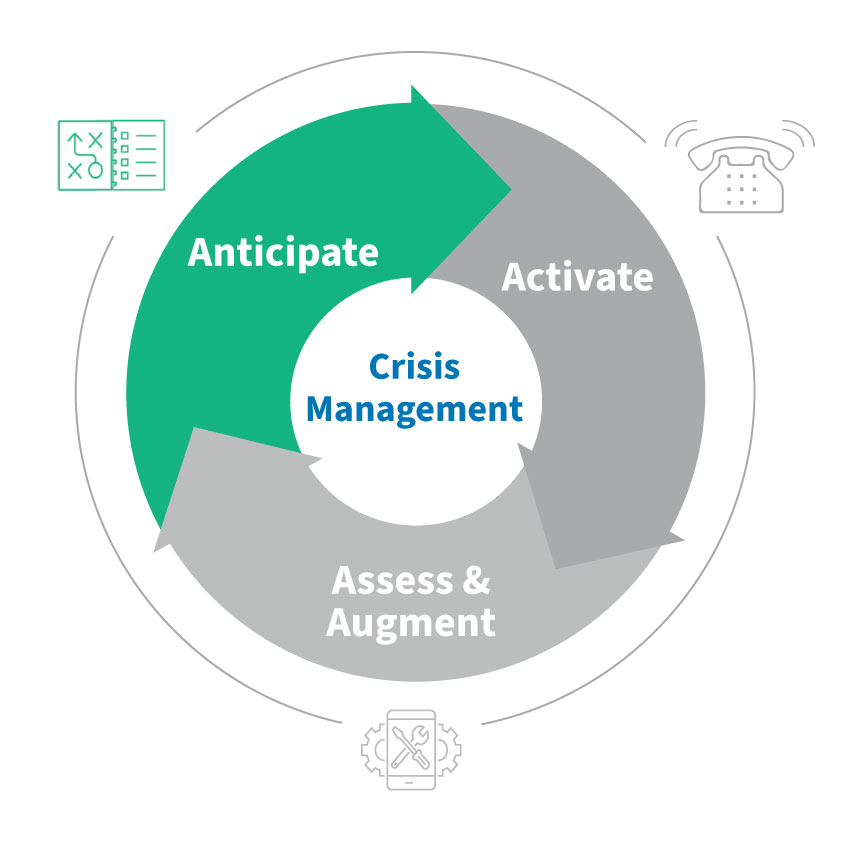
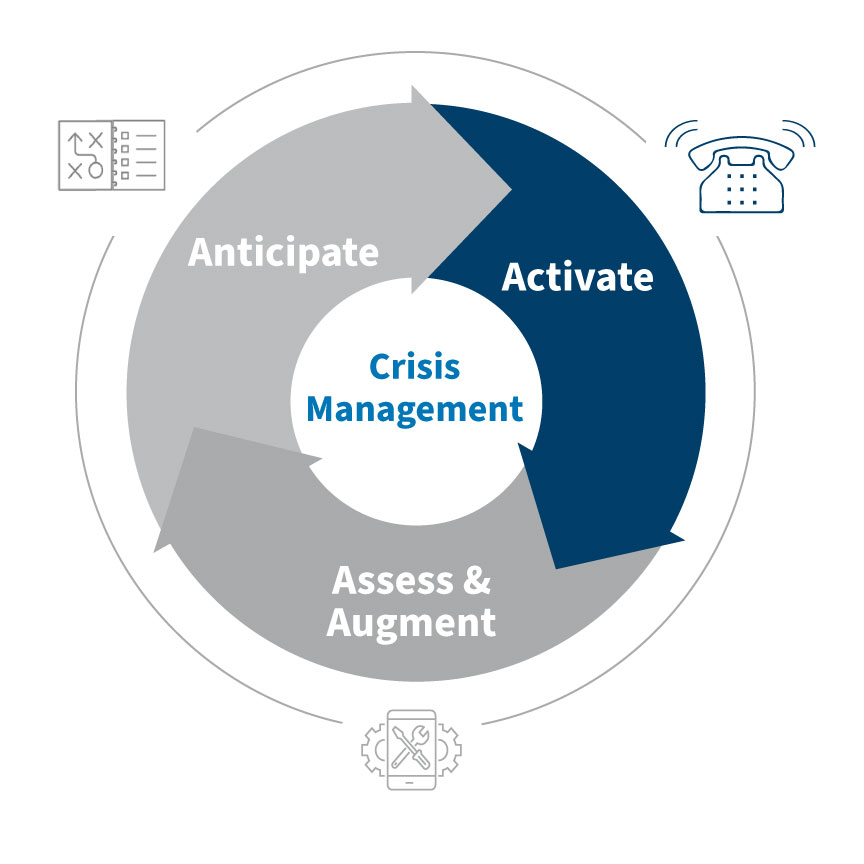
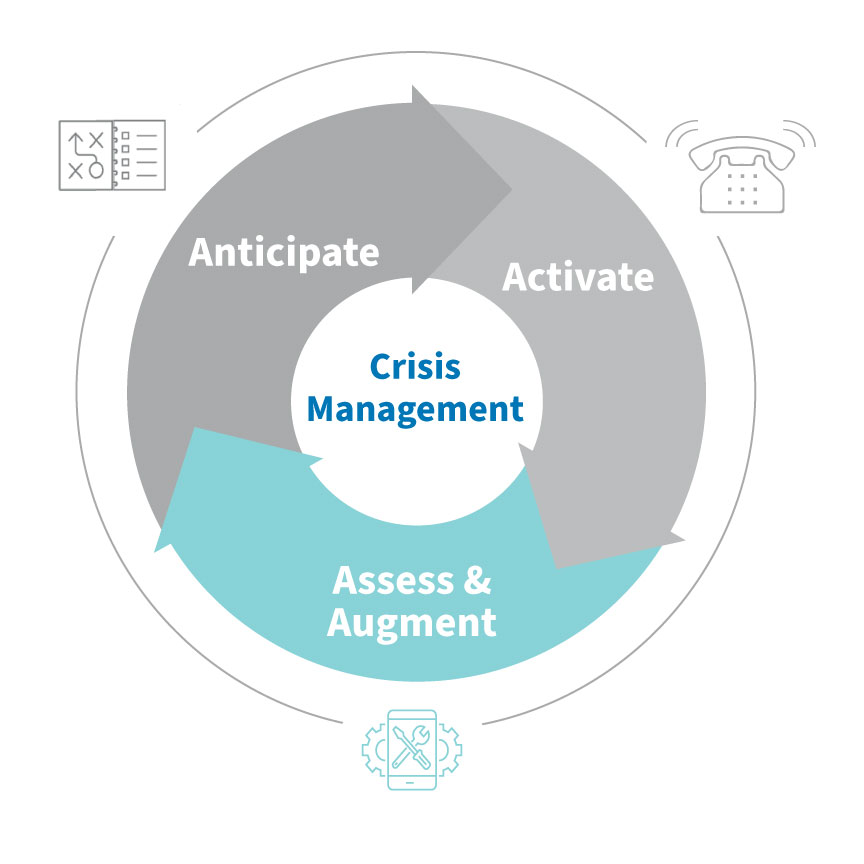
But what are the phases to think about as they respond?
Anticipate
It is not a matter of if an event will occur, but what it will be and when. Anticipating potential threats and implementing the right level of preparation and governance before an event occurs safeguards an organization’s continuity, operational success and reputation among stakeholders. By thinking through and planning for a crisis in advance, a company can swiftly and decisively respond to a situation and, in the process, maximize operational response and establish confidence among colleagues, employees, customers, investors and other stakeholders.
Activate
Regardless of the form it takes, every event has the potential to harm a company’s reputation, value and license to operate. In this age of around-the-clock scrutiny, companies are often judged as much by how they respond to crisis as the crisis itself. Effective response requires swift and consistent action that demonstrates accountability and transparency without increasing legal exposure, financial liabilities and reputational setbacks. Response teams — internal and external, comprising legal, operations, communications and forensics, among other functional leaders — operate as one.
Assess
Crises involve a key inflection point between event and fallout. Post-incident, a company must assess what regulatory, legal and commercial risk remains and how to move forward to rebuild. Transparency, accountability and continued stakeholder engagement after the event’s conclusion are also critical to both rebuild key audiences’ trust and confidence in the company — and to protect, promote and enhance the long-term success of the business. Learning from responses will prepare organizations for future incidents if and when they occur.
To learn more download ‘General Counsel – Anatomy of a Crisis’ below:
We use cookies on our website to give you the most relevant experience by remembering your preferences and repeat visits. By clicking “Accept All”, you consent to the use of ALL the cookies. However, you may visit "Cookie Settings" to provide a controlled consent.
This website uses cookies to improve your experience while you navigate through the website. Out of these cookies, the cookies that are categorized as necessary are stored on your browser as they are essential for the working of basic functionalities of the website. We also use third-party cookies that help us analyze and understand how you use this website. These cookies will be stored in your browser only with your consent. You also have the option to opt-out of these cookies. But opting out of some of these cookies may have an effect on your browsing experience.
Necessary cookies are absolutely essential for the website to function properly. These cookies ensure basic functionalities and security features of the website, anonymously.
Cookie
Duration
Description
cookielawinfo-checkbox-analytics
11 months
This cookie is set by GDPR Cookie Consent plugin. The cookie is used to store the user consent for the cookies in the category "Analytics".
cookielawinfo-checkbox-functional
11 months
The cookie is set by GDPR cookie consent to record the user consent for the cookies in the category "Functional".
cookielawinfo-checkbox-necessary
11 months
This cookie is set by GDPR Cookie Consent plugin. The cookies is used to store the user consent for the cookies in the category "Necessary".
cookielawinfo-checkbox-others
11 months
This cookie is set by GDPR Cookie Consent plugin. The cookie is used to store the user consent for the cookies in the category "Other.
cookielawinfo-checkbox-performance
11 months
This cookie is set by GDPR Cookie Consent plugin. The cookie is used to store the user consent for the cookies in the category "Performance".
viewed_cookie_policy
11 months
The cookie is set by the GDPR Cookie Consent plugin and is used to store whether or not user has consented to the use of cookies. It does not store any personal data.
Functional cookies help to perform certain functionalities like sharing the content of the website on social media platforms, collect feedbacks, and other third-party features.
Performance cookies are used to understand and analyze the key performance indexes of the website which helps in delivering a better user experience for the visitors.
Analytical cookies are used to understand how visitors interact with the website. These cookies help provide information on metrics the number of visitors, bounce rate, traffic source, etc.
Advertisement cookies are used to provide visitors with relevant ads and marketing campaigns. These cookies track visitors across websites and collect information to provide customized ads.