U.S. Healthcare & Life Sciences Outlook 2025
The Bounce Back: Unlocking the Healthcare and Life Science Industry’s Potential in a Time of Change
Table of Contents
Industry Sees Hope Amongst Sea of Challenges
In the fourth edition of FTI Consulting’s Healthcare and Life Sciences Outlook Survey, healthcare and biopharmaceutical organizations are embracing a new sense of optimism. This is a significant finding given the immense change over the past 12 months — Republicans taking control of both the United States executive and legislative branches of government and increasing use of artificial intelligence (AI) in drug discovery and development — and challenges affecting not only their businesses but the world in which they operate, including drug pricing concerns and continued geopolitical tensions across the globe, just to name a few.
As we enter the second half of this decade, healthcare and life sciences (HCLS) executives are optimistic about their ability to deliver financial results, the efficiencies provided by AI, and the life-transforming treatments that they can provide to patients.
Seventy-nine percent of respondents feel upbeat about the HCLS industry overall, notably up (+11%) from 68% in last year’s iteration of this survey.[1]
Eighty-six percent of leaders have high expectations for their organizations’ financial performance, up +7% from 79% last year. As the industry has increasingly encountered cybersecurity incidents, companies are preparing for these threats by investing in the development of communications and operational playbooks and crisis simulations. Today, 79% of respondents across the sector feel optimistic about preventing potential cyber attacks or incidents that they may face.
However, the optimism seemed to diminish when encountering political uncertainty, particularly in light of the U.S. Presidential election. Similar to the majority of citizens in the United States, when polled in October 2024, respondents were divided on how a Donald Trump vs. Kamala Harris Presidential administration would affect their industry.[2] As leaders now prepare for the reality of a second Trump administration with his allies leading the FDA, HHS, and other components of healthcare policymaking, they will need to continue to monitor and evaluate the impact of any potential new policies on their business objectives.
In the years since the COVID-19 pandemic, analysts and other commentators have continuously previewed the industry rebounding and seeing new growth.[3] After many periods of heightened expectations, 2025 seems to be the year when this prediction is expected to bear fruit.
Given the potential for financial growth and pipeline advancement on the horizon, now is the time for companies to ensure they have the most impactful strategic communications programs for 2025. To demonstrate their unique value proposition, control narratives and protect their reputation, organizations should develop sophisticated communications programs that articulate their value, upcoming milestones, and impact and resonate with key stakeholders, including investors, patients, business and community partners, and government regulators. A strong and integrated communications plan can help take advantage of the increasing optimism and interest in the sector and deliver results not only for the companies themselves, but also for the patients seeking new and innovative treatments for numerous conditions.
Corporate Reputation
Enthusiasm and Increased Potential Spurs Budget Increases
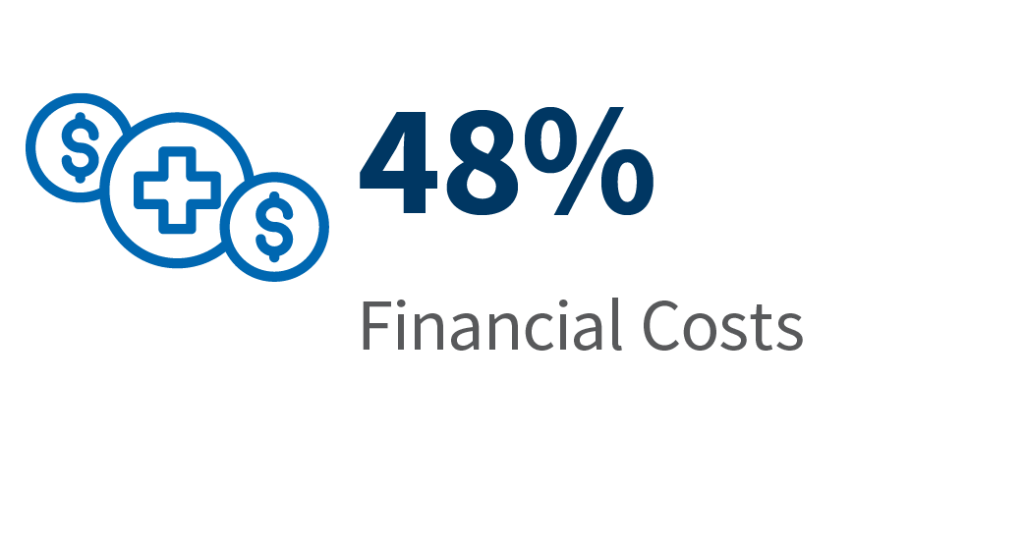
Reflecting the increased optimism that leaders are expecting as they enter 2025, 48% of respondents expect to spend additional funds in the coming year to support their business.
- Almost half of leaders (47%) expecting to increase their budgets are devoting the additional funds to research and development.
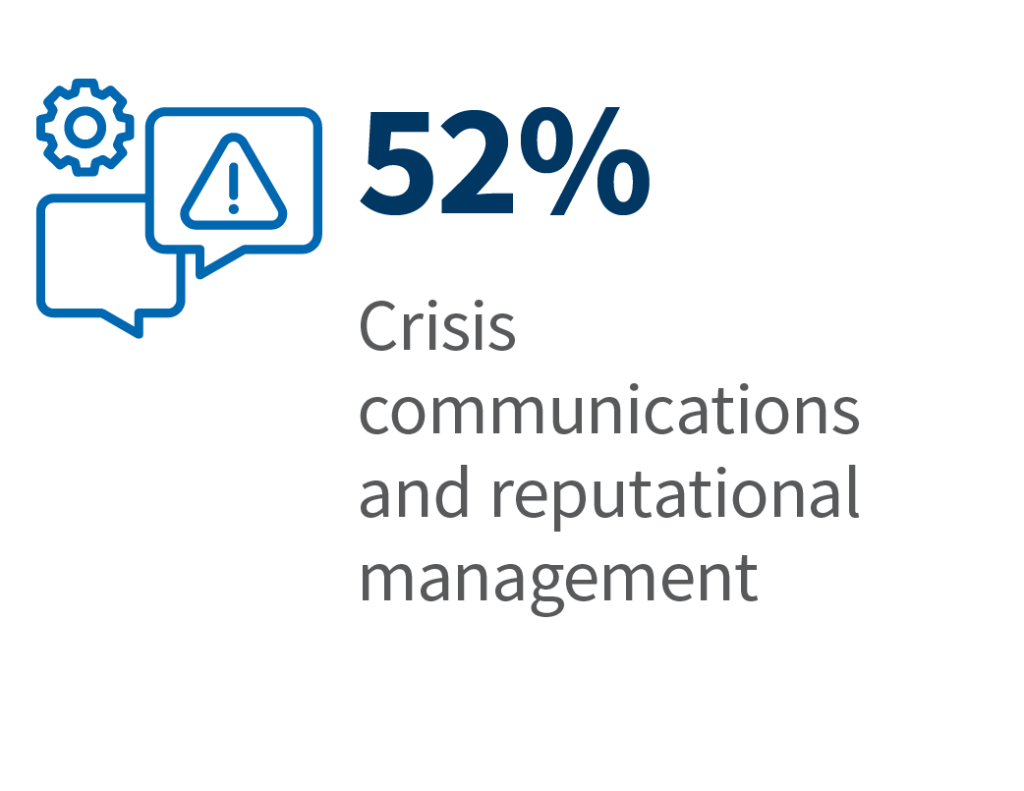
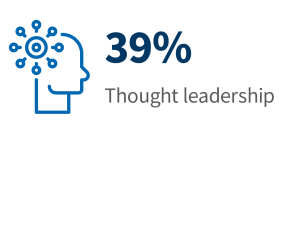
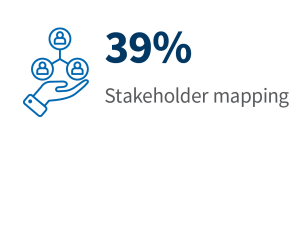
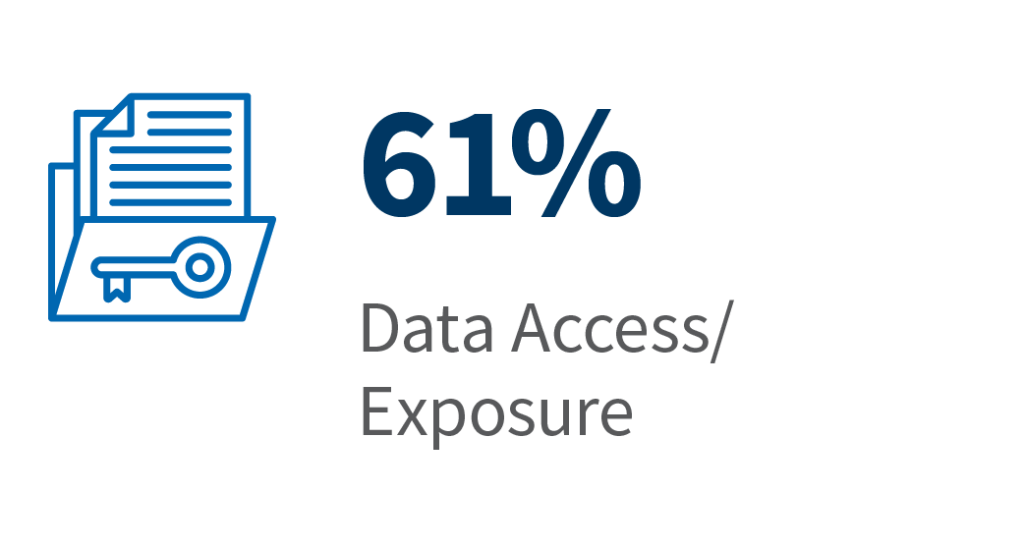
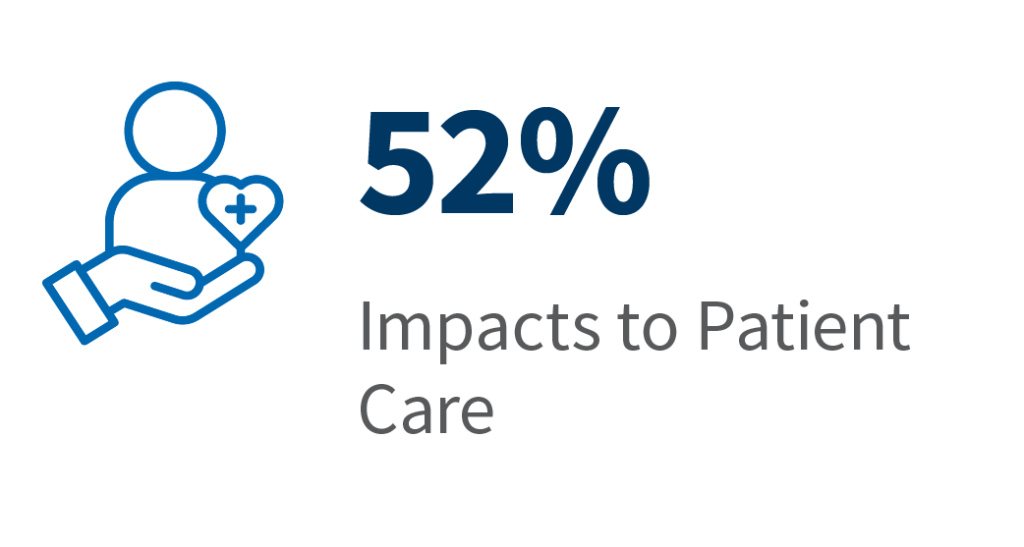
- Top investment areas within communications include:
The Industry Weighs-In: Trump vs. Kamala
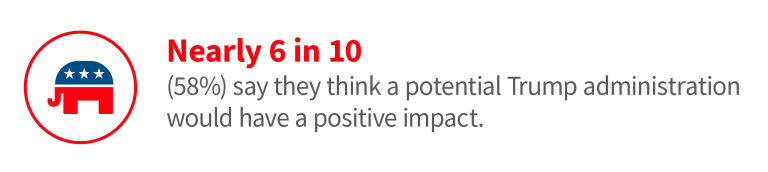
On the heels of the U.S. Presidential election, almost one in 5 respondents (22%) identified the current political environment as a risk to their business. While the survey was conducted prior to President Trump winning the election, respondents were divided on which candidate they thought would have a more positive impact on the industry:
As leaders debated which candidate was best, President Biden’s legacy and the impact of his administration on the HCLS industry may have played a factor. The majority of respondents (64%) noted that the Biden Administration has had a positive impact on the healthcare and life sciences industry.
Now that the election is officially decided in favor of President Trump, the industry will soon see how his policy priorities and the Republican control of both the Senate and the House will impact the initiatives put in place under President Biden. Notably, at least 54% of respondents expect that components of the Inflation Reduction Act (IRA) will be revised in some capacity over the next year. In addition, 61% of respondents stated that Republicans controlling the House and Senate will positively impact the healthcare industry in 2025.
Americas Head of Healthcare & Life Sciences, Strategic Communications
Increased M&A and IPO Activity on the Horizon in 2025
After years of economic challenges following the COVID-19 pandemic and the Biden administration’s firm antitrust stance deterring dealmaking in the first half of the decade, industry leaders expect M&A activity, IPOs, and dealmaking to return in 2025. This may be attributed to more favorable economic conditions or President Trump’s second administration implementing policies that promote and encourage acquisitions.
M&A Activity
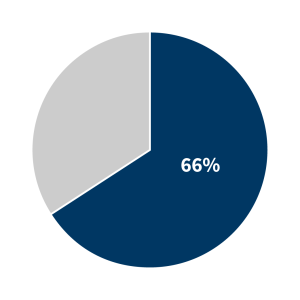
Approximately two-thirds (66%) of respondents expect M&A activity to be higher in 2025. When determining where to invest their well-earned capital, large biopharmaceutical companies are expected to continue to invest in targeted therapeutic areas where they see the highest potential for financial returns, such as oncology, immunology, neurology, and rare diseases.
IPO & Fundraising Activity
In 2024, the biopharma industry continued the bounce back of IPOs and fundraisings following the COVID-19 pandemic. Through early December 2024, 22 biopharma IPOs raised a total of $3.5B, representing a new industry high since 2021.[4] Venture investment through Q3 2024 was also tracking to surpass the previous two-years, with funding for clinical-stage companies driving this increase.[5]
Reflecting the increased optimism that is resonating throughout the industry, nearly 4 in 10 respondents believe that the industry will be increasingly able to access capital in 2025 (up +10% from 28% in 2024). Sixty-one percent of leaders anticipate that IPO activity will be higher in 2025 than in 2024, a +7% jump from last year’s survey.
Consistent with past years, the majority of respondents believe that the ability for HCLS startups to raise capital depends largely on company-specific factors, such as therapeutic area(s) of focus, pipeline assets and stage, pedigree, etc.
Financial Communications
Harnessing the Potential of AI
Industry leaders continue to see the immense potential of AI, particularly in the ways that this new and innovative technology can provide efficiencies and streamline critical operations as part of the drug development process.

Eight in 10 respondents are optimistic about AI and its impact, both to create efficiencies within (77%) and outside (77%) of drug development.
As a result, in 2025 and beyond, industry leaders and analysts should monitor the latest developments with AI and evaluate how these intelligent solutions can be utilized throughout their business.
Digital & Insights
Cardiovascular, Metabolic, and Immunology Come to the Forefront
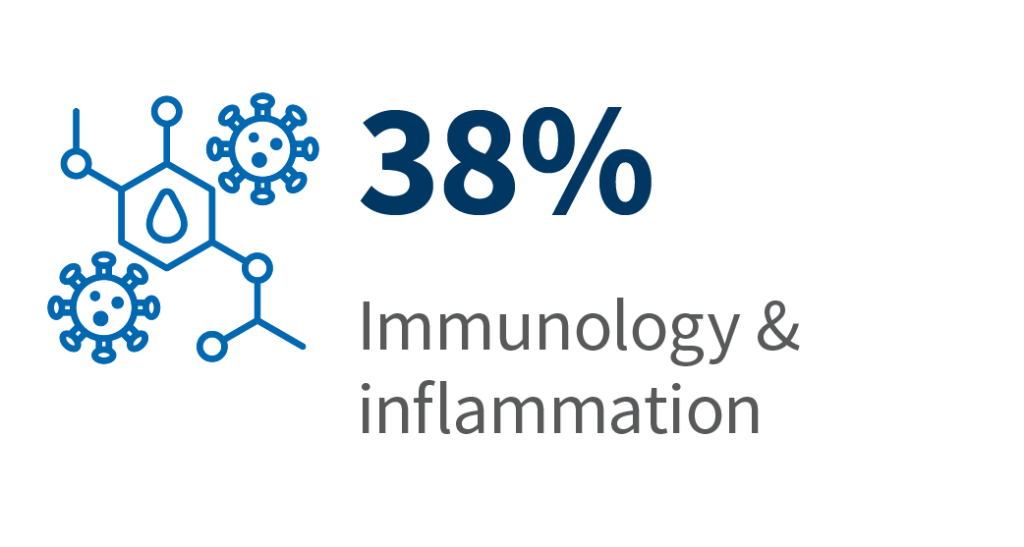
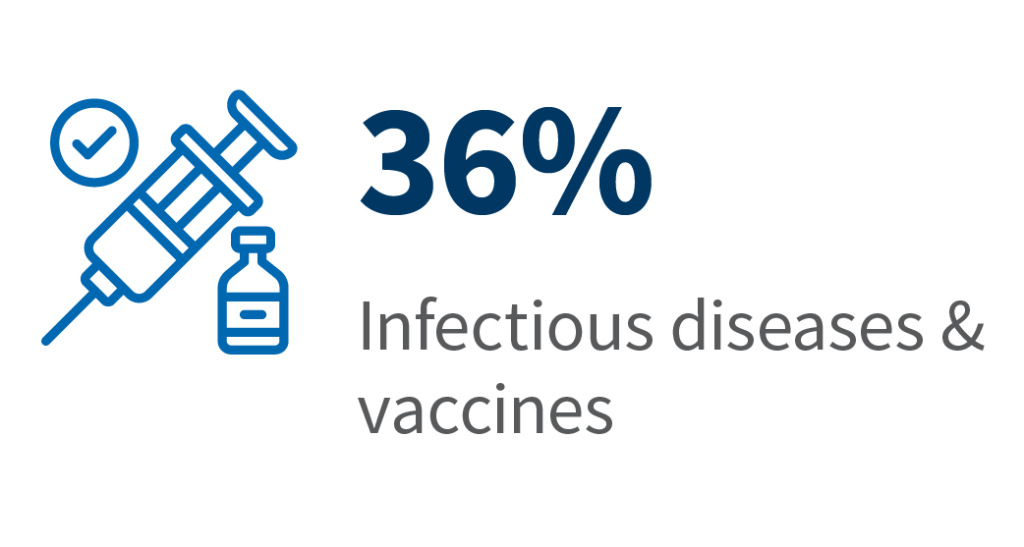
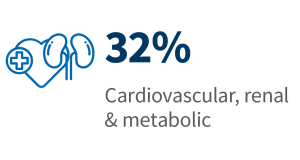
As seen in recent media coverage across top-tier and key biopharmaceutical trade outlets, there are particular therapeutic areas that the industry is focusing on for their long-term growth. With the rising popularity of GLP-1s in order to treat obesity and metabolic conditions and a renewed focus on immuno-oncology treatments, these are key areas to watch both from an investment and strategy perspective going into 2025, particularly as larger pharmaceutical companies look for potential M&A targets.
The top five therapeutic areas that respondents have identified for new and future investments include:
Is ESG Still at a Crossroads?
Compared to how ESG dominated conversations across the industry several years ago, healthcare and life science leaders have tempered expectations about the benefits of commenting on social and environmental issues, particularly given the incoming Presidential administration and other political changes.
Over half (55%) of respondents expect ESG issues to pose a medium risk to their company’s reputation in 2025. Their biggest concerns and challenges with communicating around their ESG program include the risk of creating liability for the company/greenwashing (48%) and attracting attention and coming under attack from anti-ESG political factions (46%), notably up +5% from last year.
Given the ongoing controversy around ESG topics, it is interesting to see the industry shifting thematically to focus more on mainstream and healthcare-related topics for their upcoming initiatives. Health equity appears to be the number one theme for leaders at 42%, up +6% from 2024. Other areas of focus include data security (38%) and data access and affordability (36%).
ESG & Sustainability Advisory
Cybersecurity: An Ounce of Prevention
As reflected in our 2024 report, the industry seems to be aware of the challenges and reputational risk posed by cybersecurity incidents. For the second year in a row, cyber incidents/attacks (23%) were identified by leaders as the second highest risk facing the industry, with economic uncertainty (38%) ranking as number one and the political environment (22%) rounding out the top 3.
Of the many different types of incidents that the industry could face, the greatest areas of vulnerability include malware and ransomware (59%, up +5%) and incidents that involve privacy violations, (54%, up +5%), and phishing (46%, up +5%).
The industry also acknowledges the wide range of impacts of cyber incidents. According to respondents, the top three biggest risks that a cyber-attack or incident pose to the industry are:
Cybersecurity & Data Privacy Communications
Final Thoughts & Takeaways
- A triumphant return of deal making, M&A activity, and IPOs coincides with a renewed sense of optimism across the industry.
- Leaders are divided about the impact that a second Trump administration will have on their businesses, but expect changes with the Inflation Reduction Act to be forthcoming.
- As cybersecurity incidents have become the “new normal,” leaders must continue to invest in crisis communications preparedness to minimize potential disruptions and risks.
- Key therapeutic areas identified by leaders for increased investment and long-term growth include immunology, cardiovascular, and infectious diseases.
- AI continues to be seen as a key to unlock efficiencies and drive innovation – particularly in the drug discovery and development process.
Using Strategic Communications to Propel Continued Growth in 2025
After years of much speculation, the results from this year’s Healthcare & Life Sciences Outlook Survey show that a rebound for the sector is upon us, particularly from a M&A, fundraising, and deal pipeline perspective.
While political uncertainty and cybersecurity incidents will still be something to contend with, leaders should seize opportunities presented by these events and use communications to set the course for continued success. Executives should devote resources to overarching communications strategy and specific narrative development, stakeholder mapping and engagement. A comprehensive and thoughtful communications approach will be critical to making inroads with key audiences – including regulators, investors, business and community partners, media, and patients – to support the broader business objectives.
With strong relationships with key audiences within the public and private sectors, and at every level, and combined with expert-led counsel, FTI Consulting’s Healthcare & Life Sciences communications experts know how to engage stakeholders, decisionmakers and influencers with the right message at the right time and achieve maximum impact for our clients.
Meet Our Team
LAUREN CRAWFORD SHAVER
Senior Managing Director
+1.202.870.2586
[email protected]
JAMIE SINGER
Senior Managing Director
+1.847.414.1377
[email protected]
HELEN O’GORMAN
Managing Director
+1.718.408.0800
helen.o’[email protected]
ROBERT D. STANISLARO
Senior Managing Director
+1.212.850.5657
[email protected]
BEN HERSKOWITZ
Senior Managing Director
+1.212.850.5654
[email protected]
CADY HOFFMAN
Director
+1.347.260.2556
[email protected]
JIM POLSON
Senior Managing Director
+1.312.553.6730
[email protected]
JAMES CONDON
Managing Director
+1.646.912.1280
[email protected]
RONELLE GREEN
Senior Research Analyst
+1.929.317.3211
[email protected]
Please contact us with questions and feedback about the survey and report.
Research Methodology
This research was conducted online by FTI Consulting’s Digital & Insights Practice within the Strategic Communications segment between September 24 and October 9, 2024 with n=250 decision makers in corporate communications, investor relations, public affairs, business development, and marketing for healthcare and life sciences companies in the U.S. Due to the standard convention of rounding, some totals may not add up to 100%.
[1] “BioPharma in 2024: At a Crossroads,” FTI Consulting (December 8, 2023), https://fticommunications.com/2024-healthcare-life-sciences-industry-outlook-biopharma-atcrossroads/
[2]“October 2024 National Poll: Trump 49%, Harris 49%,” Emerson College Polling (October 26, 2024), https://emersoncollegepolling.com/october-2024-national-poll-trump-49-harris-49/
[3] “Healthcare and life sciences M&A: Poised for a rebound?,” KPMG (last accessed December 10, 2024), https://kpmg.com/us/en/articles/2023/healthcare-life-sciences-ma-poisedrebound.html
[4] Cantor Fitzgerald, “Cantor’s Biotech Non-Denominational Advent Calendar Day 9: Opening Sleigh Bells,” (December 9, 2024), pp. 2, available from LSEG, accessed December 11, 2024. https://cantor2.bluematrix.com/docs/pdf/c921612a-0b08-48b0-bf1a-5ab35a30f545.pdf
[5]“Q3 2024 Biopharma Licensing and Venture Report,” J.P. Morgan, pp. 3, 6 (October 2024), https://www.jpmorgan.com/content/dam/jpmorgan/documents/cb/insights/outlook/jpm-biopharma-deck-q3-2024-final-ada.pdf
Related Expertise
The views expressed in this article are those of the author(s) and not necessarily the views of FTI Consulting, its management, its subsidiaries, its affiliates, or its other professionals. ©2024 FTI Consulting, Inc. All rights reserved. www.fticonsulting.com |